
How to Choose the Right Road Roller for Your Project?

Time:2026-11-24 Author:Isabella
0%

Choosing the right Road Roller is not a horsepower contest. The right machine depends on the material, lift thickness, site access, and required finish. A smooth-drum roller may suit asphalt, while cohesive soil often needs kneading action from a padfoot drum. On a narrow access road, turning space and machine width matter as much as compaction force.

The Federal Highway Administration’s 2017 report, Intelligent Compaction for Soils and HMA, explains how continuous measurement can help crews track compaction across roller passes. Its practical lesson is to verify results, not rely only on the operator’s impression. FHWA’s Soils and Foundations Reference Manual also underlines why soil type and moisture conditions matter when planning earthwork. These reports offer technical guidance, not a substitute for project specifications or field testing.

Dr. David J. White of Iowa State University has researched intelligent compaction and roller-based measurement. A practical paraphrase of that work is: “Choose by measured compaction response, not machine size alone.” This is a paraphrase, not a verbatim quotation. It points to a common purchasing mistake: choosing a large roller before checking the ground, lift depth, or production target. Look closely at drum type, operating weight, vibration settings, visibility, and service support. Then compare them with the project’s test plan. Small details count. A machine that fits the soil but cannot maneuver around a curb may slow the whole crew. And specifications do not always predict field performance; trial passes can expose that gap.
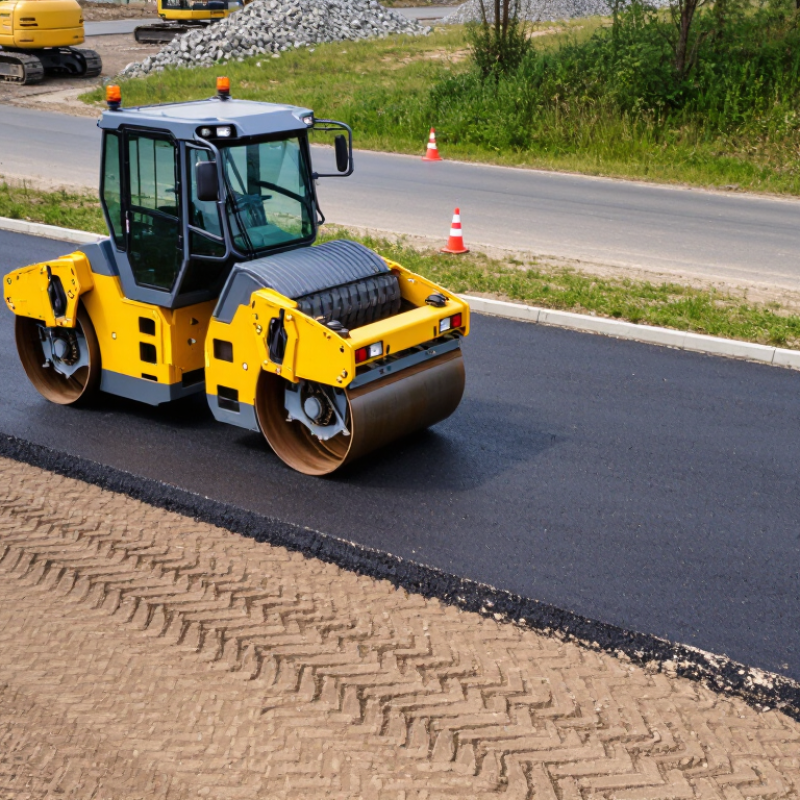
How to Choose the Right Road Roller for Your Project?

Define the Project’s Compaction Requirements

Before choosing a road roller, define what the ground must support and how evenly it needs to be compacted. A parking-lot base, a narrow utility trench, and a fresh asphalt lane need different compaction approaches. Check the material, lift thickness, moisture, working width, and density target in the project specifications. Granular soils often respond well to vibration, while cohesive soils may need a kneading action. Asphalt typically calls for controlled passes to limit surface marks and movement. Use the approved testing plan to verify results; appearance alone can mislead.

Tips: Identify the soil or paving material before selecting a drum type. Confirm the target density and lift thickness with the project team. If conditions vary across the site, plan for field testing and adjust the rolling pattern.

Also consider access and turning space. A roller that is too wide may leave edges under-compacted, while an oversized machine can be awkward near curbs or trenches. Match operating weight and vibration settings to the material and layer; more force is not always better. Keep a simple pass log, noting speed, overlap, and test results. In practice, site conditions can change during the day, and a plan may need revision. That is worth acknowledging early.

Compare Road Roller Types and Their Uses

Road rollers differ in how they compact material. Smooth-drum rollers work well on asphalt and granular surfaces, where steady pressure helps create an even finish. A steel drum leaves clear marks if the mix is too cool or the operator turns sharply. On a small parking area, a lighter tandem roller may be easier to maneuver than a large machine.

Pneumatic-tire rollers use several rubber tires to knead asphalt and seal small surface gaps. They suit paving jobs where uniform texture matters, but tire pressure and operating weight affect the result. For cohesive soil, a padfoot roller’s raised feet press deeper into the ground and break up clumps. Smooth drums are generally more suitable for sand and gravel. Choose based on the material, lift thickness, site access, and required finish—not just the machine’s size. It takes careful checking. A roller that is too heavy can displace a thin asphalt layer, while too little compaction may leave weak spots. I’d still verify the project specifications and make a test pass; field conditions can be less predictable than the plan.

How to Choose the Right Road Roller for Your Project? - Compare Road Roller Types and Their Uses

Road Roller Type How It Compacts Best-Suited Materials Common Uses Key Advantages Important Considerations
Single-Drum Vibratory Roller A vibrating steel drum applies impact and vibration; rear tires provide traction. Granular soils, crushed aggregate, gravel, and road subbase. Compacting soil and aggregate layers on roads, building sites, and large earthworks. Effective on granular materials and suitable for covering relatively large areas. Less effective on highly cohesive or wet clay. Select drum size and vibration settings to suit the material and lift thickness.
Double-Drum Vibratory Roller (Tandem) Two steel drums compact the surface; vibration may be applied through one or both drums, depending on the machine. Asphalt pavement and, in some applications, granular surfaces. Compacting asphalt on streets, parking areas, and road projects. Provides a smooth, even finish and can make passes without leaving tire marks. Not the usual choice for thick cohesive-soil layers. Vibration should be managed carefully around structures and on thin or finished asphalt.
Static Smooth-Wheel Roller Smooth steel wheels compact through the machine’s weight without vibration. Asphalt finishing and selected thin layers of granular material. Finishing or smoothing surfaces and carrying out light compaction work. Leaves a smooth surface and avoids vibration-related disturbance. Generally offers less compaction depth than a vibratory roller, so it is not suited to every thick or loose layer.
Padfoot (Sheepsfoot) Roller Protruding feet press and knead the soil; many models also use vibration. Cohesive soils such as clay and silty clay. Compacting embankments, earth fills, and cohesive subgrades. The feet help work through cohesive material and compact it from the lower part of the lift upward. Usually unsuitable for asphalt or final smooth-surface finishing. The feet may leave a rough surface that needs additional rolling.
Pneumatic-Tire Roller Several rubber tires apply pressure and a kneading action across the surface. Asphalt mixes and some granular or soil applications, depending on the machine and material. Asphalt compaction, intermediate rolling, and surface finishing or sealing. Overlapping tires provide broad coverage and help produce a dense, uniform surface. Tire pressure and ballast affect performance. Tire pickup and surface temperature should be considered when rolling asphalt.
Combination Roller Typically uses a steel drum at the front and pneumatic tires at the rear. Asphalt pavement. Compacting and finishing asphalt on roads and parking areas, especially where a smooth result is needed. Combines steel-drum rolling with the kneading action of rubber tires in one machine. Its suitability depends on the asphalt mix, layer thickness, and required finish; it is not a general substitute for a soil roller.

Selection tip: Match the roller to the material and required finish. Soil moisture, layer thickness, site access, and the specified compaction target also affect the right choice; follow the project specifications and equipment guidance.

Match Roller Size and Weight to the Worksite

How to Choose the Right Road Roller for Your Project?

Match Roller Size and Weight to the Worksite

Roller size and operating weight should fit the material, working width, and available maneuvering space. A heavy roller can compact thick asphalt or granular base efficiently, but it may be unsuitable near utility trenches, soft shoulders, or narrow access routes. On a tight site, a smaller drum can make cleaner passes and reduce edge damage. Check the lift thickness and the material supplier’s compaction guidance before choosing. More weight is not always better. It can cause surface movement or uneven compaction when the layer is thin. FHWA asphalt guidance notes that a 1% increase in in-place density can extend pavement life by about 10%. That makes matching the machine to the layer a quality decision, not just a productivity choice.

Tips: Measure the narrowest turning area, check the planned lift depth, and confirm the roller’s operating weight. If the ground is soft, test a short section first. I would still verify performance onsite; paper specifications cannot show every weak patch.

For broad, open areas, a wider drum may reduce the number of passes. On small jobs, around curbs, or beside structures, a compact roller may offer better control. Consider transport limits and ground bearing capacity, too. A machine that reaches the site but cannot safely work there is the wrong fit. Record pass count and check compaction results as work progresses; adjust the plan if the material responds differently than expected.

Assess Soil, Asphalt, and Surface Conditions

Before choosing a road roller, check what lies beneath the drum. Granular sand and crushed stone usually respond well to vibration, while wet clay can shift or pump under excessive vibration. Walk the site: note soft patches, drainage, lift thickness, and tight edges. A few minutes with a hand probe can reveal a weak layer that a smooth surface hides. For asphalt, consider mix temperature and mat thickness; a heavy roller may shove a hot, thin mat instead of compacting it evenly.

The National Center for Asphalt Technology’s Report 12-03 estimates that a 1 percentage-point increase in asphalt density can extend fatigue life by about 10%, under the study’s assumptions. Treat that as a useful benchmark, not a guarantee: mix design, weather, and traffic matter. FHWA guidance on soil compaction also emphasizes matching equipment and effort to soil type and moisture. If the surface is damp or the material is cohesive, test a short strip first. Watch for wave marks, cracking, or a drum that leaves deep impressions.

Tips: On granular soil, compare vibration settings on a trial pass. On clay, start with lower amplitude and inspect for pumping. For asphalt, check mat temperature and density rather than relying on appearance alone. Keep a simple pass-and-test log; it may feel fussy, but it can expose uneven results before the whole area is rolled.

Review Operating Costs, Safety, and Transport Needs

How to Choose the Right Road Roller for Your Project?

Operating costs extend beyond the hire rate or purchase price. Estimate fuel use, delivery, operator time, routine servicing, and the cost of moving the machine between work areas. Match roller size and compaction method to the material and job size; a larger machine can waste fuel on a narrow path. Small details matter. Ask for a written estimate based on expected working hours, not just a daily rate.

Safety affects both the crew and the schedule. Check that the operator has a clear view around the drum, and plan a walking route that stays outside the roller’s path. On slopes or uneven ground, confirm the machine’s operating limits and follow its manual. Inspect seat belts, warning signals, mirrors, and access steps before each shift. They are easy to overlook. They should not be.

Transport needs can change the best choice. Compare the roller’s operating weight and dimensions with the available trailer, loading equipment, and site entrance. A narrow gate or soft shoulder may make unloading difficult, even when the machine fits on paper. Include travel time and any required transport arrangements in the budget. I would leave room for a delay; estimates often look neat until the route is checked in person.

FAQS

What should I check before choosing a road roller?

Identify the material, layer thickness, moisture, working width, and target density. The project specifications are a useful starting point.

Does soil type affect the roller choice?

Yes. Granular soil often responds well to vibration, while cohesive soil may need a kneading action. Check site conditions.

Is a heavier roller always better?

No. Match the machine’s weight and vibration settings to the material and layer. More force is not always better.

How can I avoid uneven compaction near edges?

Choose a roller that fits the working area and turning space. A wide machine may struggle beside curbs or narrow trenches.

How do I check whether compaction is adequate?

Follow the approved testing plan and record test results. Appearance alone can mislead. Keep a pass log with speed and overlap.

What costs should I include in my estimate?

Include fuel, delivery, operator time, servicing, and moves between work areas. Ask for an estimate based on expected working hours.

What safety checks matter before each shift?

Check visibility, seat belts, warning signals, mirrors, and access steps. Plan a walking route outside the roller’s path.

What should I consider when arranging transport?

Compare the roller’s dimensions and operating weight with the trailer, loading equipment, and site entrance. A narrow gate can complicate unloading.

Should the rolling plan stay fixed throughout the job?

Not always. Conditions can change during the day, so field testing may call for adjustments. A tidy plan can still miss something.

Conclusion

Choosing the right Road Roller starts with understanding the project’s compaction requirements, including the material, target density, and area to be covered. Different roller types suit different tasks: some are designed for soil and granular materials, while others are better suited to asphalt or finishing work. Consider the roller’s size and operating weight in relation to the worksite, since narrow or confined areas may require a more compact machine, while larger projects may benefit from greater coverage and compaction force.

Surface conditions also matter. Soil moisture, material composition, asphalt temperature, and existing ground conditions can all affect performance and the number of passes needed. Before making a selection, review expected operating costs, fuel use, maintenance needs, operator safety, and transport requirements. Matching these factors to the project can help you choose equipment that works efficiently, supports consistent compaction, and fits the demands of the site.

Isabella

Isabella

Isabella is a dedicated marketing professional with a sharp focus on driving brand growth and engagement through strategic content creation. With an extensive background in digital marketing, she combines her passion for storytelling with her keen understanding of industry trends to deliver......