
2026 Top Compactor Types Which One Is Best for You?

Time:2026-11-24 Author:Oliver
0%

Choosing a Compactor is not just a matter of picking the largest machine. The right choice depends on the material, the site, and the finish you need. A narrow trench, a broad asphalt surface, and a busy waste yard call for different equipment. Small differences matter. Soil moisture, access, vibration limits, and working space can change which machine performs best.

The scale of the work is clear in U.S. Environmental Protection Agency data. Its 2018 report estimates that the United States generated 292.4 million tons of municipal solid waste. A separate EPA estimate puts construction and demolition debris at about 600 million tons in 2018. These figures are U.S.-specific, not global forecasts, but they show why efficient material handling matters. This guide compares common options, including plate compactors, rammers, rollers, and waste compactors. It focuses on practical trade-offs: compaction depth, maneuverability, operating cost, and maintenance. A roller may cover open ground quickly, while a rammer can reach confined trenches. Neither is automatically the better choice. Even a well-matched machine can disappoint when the ground is too wet or the operator rushes each pass. That part is easy to overlook. Use the comparisons as a starting point, then check manufacturer specifications and site conditions before choosing. The best machine is the one that fits the job—not simply the one with the highest capacity.
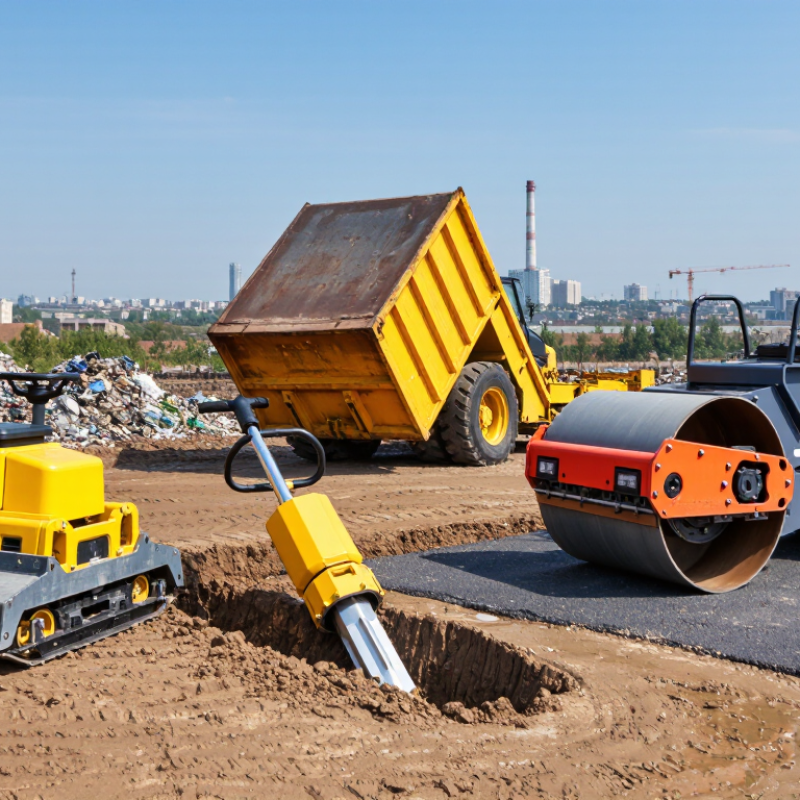
2026 Top Compactor Types Which One Is Best for You?

What Compactors Are and How They Reduce Material Volume

A compactor presses loose material into a smaller space by closing gaps and forcing out trapped air. The material’s weight stays essentially the same. Stationary units handle waste in a fixed loading area, while self-contained units combine the container and compactor. Cardboard often compresses well; mixed, wet, or rigid waste can behave differently. That matters.

The U.S. EPA’s 2018 Advancing Sustainable Materials Management report estimated that Americans generated 292.4 million tons of municipal solid waste. It reported 146.1 million tons sent to landfills. These figures describe the scale of waste, not compactor performance. A compactor can reduce storage needs and collection frequency, but actual results depend on material, loading habits, and equipment settings. A tidy compaction ratio can mislead if loads contain bulky items or springy packaging.

Tips: Sort materials before loading. Keep cardboard dry, avoid overfilling, and follow the equipment’s operating instructions. Track container volume and pickup frequency for several weeks before choosing a unit. One imperfect measurement is still better than guessing.

How the Main Types of Compactors Work

Compactors work through pressure, vibration, impact, or repeated rolling. A vibratory plate shakes granular soil into tighter contact, making it useful on paths and small pads. A rammer delivers sharp impacts in narrow trenches, especially where cohesive soil resists vibration. Rammers are precise, but tiring to guide. Rollers cover broad areas; smooth drums suit asphalt, while padfoot drums grip cohesive soil. For rubbish, a hydraulic platen squeezes waste inside a container.

The U.S. Environmental Protection Agency’s 2018 Advancing Sustainable Materials Management report estimated that Americans generated 292.4 million tons of municipal solid waste. That figure describes waste generated, not the amount a compactor can prevent or recycle. Still, it shows why choosing the right waste compactor matters. Stationary units compact waste into a separate container; self-contained units keep liquid waste inside the compactor. Check access, waste type, and pickup frequency before choosing.

Tips: For soil, check moisture and compact in thin lifts; overly wet soil may pump under the machine. Verify density against the project specification, using field tests rather than appearance alone. For waste, avoid overloading the container and keep hands clear of moving parts. A compacted surface can look firm while hiding soft spots. That is easy to miss.

2026 Top Compactor Types Which One Is Best for You? - How the Main Types of Compactors Work

Compactor Type How It Works Best-Suited Materials Typical Uses Key Advantages Limitations and Selection Notes
Forward Plate Compactor A vibrating base plate applies rapid, repeated impacts to the ground. The machine moves forward as the plate vibrates. Granular soils such as sand and gravel, as well as paving materials and some mixed soils. Walkways, driveways, small parking areas, landscaping, and paver preparation. Compact, maneuverable, and practical for confined work areas and relatively shallow lifts. Less effective than kneading-action equipment on cohesive clay. Forward-only travel can make repositioning less convenient.
Reversible Plate Compactor A vibrating plate compacts the surface while the machine can travel both forward and backward, usually through a directional control system. Granular soils and mixed materials, including applications that need more compaction effort than a small forward plate provides. Road repairs, larger paving projects, foundations, and confined construction areas. Two-way travel improves control and maneuverability; many models provide higher compaction force than light forward plates. Heavier and more costly than a basic forward plate. Performance depends on soil type, moisture, lift thickness, and machine specifications.
Tamping Rammer A narrow foot repeatedly lifts and strikes the ground, producing a high-impact, kneading action over a small area. Cohesive soils such as clay and silt, and mixed soils in narrow spaces. Trenches, utility repairs, around foundations, and other restricted areas. Narrow footprint reaches places larger machines cannot access; impact action is useful on cohesive soils. Covers less area per pass than a plate compactor or roller. Its repeated impacts are not ideal for every granular or finished surface.
Smooth-Drum Vibratory Roller One or more steel drums roll over the surface; vibration adds repeated dynamic force to the weight of the machine. Granular soils, crushed aggregate, and asphalt, depending on the roller configuration and operating settings. Road construction, large site preparation, parking areas, and asphalt paving. Efficient on broad work areas and suitable for both soil compaction and, with appropriate equipment, asphalt work. Requires more working space than walk-behind equipment. A smooth drum is generally less suited to kneading cohesive soil than a padfoot drum.
Padfoot (Sheepsfoot) Roller Raised pads on the drum penetrate and knead the soil as the roller passes, compacting progressively through the material. Cohesive soils, including clay and silty clay, when moisture and lift thickness are properly controlled. Embankments, earth dams, road subgrades, and large areas of cohesive fill. Kneading action helps compact cohesive materials and can work the soil through a deeper layer than surface-only methods. Not generally the preferred drum for finishing asphalt or compacting clean, loose granular material. Soil conditions and the required finish matter.
Pneumatic-Tire Roller Multiple rubber tires apply pressure and a kneading action. Tire contact and machine weight provide compaction as the roller travels. Asphalt mixtures and selected soil or aggregate applications, depending on tire pressure, machine weight, and material. Asphalt paving, surface sealing, and compaction where a uniform finish is required. Multiple tires provide overlapping contact and can help produce a dense, even surface. Suitability depends on the material and operating setup. It is not a substitute for every soil-compaction method, and tire surfaces must be managed to avoid material pickup.
Trench Roller A compact, remotely operated roller uses vibrating drums—often with padfoot surfaces—to compact material in narrow trenches. Trench backfill and cohesive or mixed soils, according to drum type and manufacturer specifications. Utility trenches, pipe installation work, and narrow excavations. Designed to work in confined areas while keeping the operator away from the immediate compaction zone. More specialized than a general-purpose roller. Choose drum type and machine size based on trench width, soil, and site access.

Where Different Compactor Types Are Commonly Used

Where Different Compactor Types Are Commonly Used

The right compactor depends on the material, work area, and required finish. A vibratory plate compactor suits granular soil, gravel, and paving work, such as a walkway beside a house. A jumping-jack rammer is often used in narrow trenches, where its focused impact helps compact cohesive soil. For road bases and larger open areas, smooth-drum rollers cover ground efficiently. Pneumatic rollers can help compact asphalt, especially where a tight, even surface matters. No machine suits every site.

Waste handling calls for a different approach. Stationary compactors commonly serve loading docks, retail sites, and food-service facilities; landfill compactors work across large waste cells. The U.S. Environmental Protection Agency’s 2018 construction and demolition debris report estimated 600 million tons of debris generated in the United States, with demolition accounting for about 90 percent. That scale shows why choosing equipment for the material and workflow matters, though the report does not prescribe a specific machine.

Tips: Check soil moisture and layer depth before selecting equipment. Confirm access width and nearby structures, too. A compact machine can still struggle in wet clay. There is no universal winner; field conditions can overturn a tidy specification sheet. A short test pass is often more useful than guessing.

Which Factors Shape the Choice of a Compactor

Choosing a compactor starts with the material, not the machine. Cardboard, food waste, and mixed refuse behave differently under pressure. Dry, bulky packaging may suit a horizontal or vertical baler, while general waste often calls for a stationary or self-contained compactor. Check what enters the unit each day, including occasional awkward items. One unusual load can affect performance.

Volume and collection schedules matter. A busy site with limited storage may need frequent, reliable compaction and a container sized for its pickup routine. Measure doorways, turning space, floor strength, and overhead clearance before choosing. A machine that fits on paper may still block a loading route. Small details matter.

Consider who will operate and maintain the equipment. Controls should be clear, loading height manageable, and service access practical. Compare power supply, noise, cleaning needs, and expected maintenance—not just purchase price. A simple operating log can reveal jams or changing waste volumes early. It is easy to underestimate training time. A tidy estimate may also miss seasonal peaks, so leave room for uncertainty and reassess after real operating data is available.

How to Match a Compactor Type to Your Needs in 2026

Choosing a compactor in 2026 starts with the material, work area, and required finish—not machine size alone. A forward plate compactor suits granular soil and small asphalt repairs on open, level ground. For narrow trenches or cohesive soil, a tamping rammer delivers focused impact where a plate may not fit. Larger, open areas may call for a walk-behind or ride-on roller.

A reversible plate compactor can make medium-sized jobs easier to manage. But access matters. Measure gate width, turning space, slopes, and the thickness of each soil layer before deciding. Compaction depends on soil type, moisture, and lift depth; more passes will not necessarily fix material that is too wet. A neat specification sheet cannot predict every change in the ground.

Match operating weight and compaction force to the material, then check the machine’s manual for performance guidance. If you are working near pavers, edges, or fresh asphalt, confirm whether a protective mat or pad kit is recommended. No choice is perfect. A smaller unit is easier to transport but may slow a large job; a heavier one can be awkward near finished surfaces. It is easy to focus on output and overlook control, so test a small section and inspect the result before continuing.

FAQS

How do different compactors work?

Compactors use pressure, vibration, impact, or rolling. Waste compactors squeeze refuse inside a container.

When should I use a plate compactor or a rammer?

A vibrating plate suits gravel, granular soil, and small paving areas. A rammer works well in narrow trenches and cohesive soil. It can be tiring to guide.

Which roller drum works for different materials?

Smooth drums are commonly used on asphalt and broad areas. Padfoot drums grip cohesive soil. No drum suits every surface.

What is the difference between stationary and self-contained waste compactors?

A stationary unit compacts waste into a separate container. A self-contained unit keeps liquid waste inside the compactor. Check your waste and pickup routine.

How do I choose a compactor for my site?

Consider the material, daily volume, available space, and collection schedule. Measure doorways, turning areas, floor strength, and overhead clearance. Paper measurements can miss practical problems.

What should I check before compacting soil?

Check moisture and compact in thin layers. Very wet soil may pump beneath the machine. Verify density with field tests, not appearance alone.

What precautions matter when compacting waste?

Avoid overloading the container and keep hands clear of moving parts. A simple operating log can help reveal jams or changing waste volumes. Not always obvious.

What should I consider for operation and maintenance?

Check control layout, loading height, service access, power supply, noise, and cleaning needs. Training time is easy to underestimate. Reassess after real operating data arrives.

Conclusion

A Compactor reduces the volume of loose or bulky materials by applying pressure, vibration, or a combination of both. Different types are designed for different tasks: some compress waste into manageable loads, while others use heavy rollers or vibrating plates to firm soil, gravel, and other surfaces. Their performance depends on the material being handled, the amount of space available, the required degree of compaction, and how often the equipment will be used.

Compactors are commonly used in waste management, construction, landscaping, and industrial settings, but no single type suits every job. To choose well in 2026, consider the material’s characteristics, expected workload, site conditions, available power, operating space, maintenance needs, and budget. Matching these factors to the right machine can improve efficiency and produce more consistent results. Start by defining the task and comparing suitable types, then select a Compactor that meets both your practical requirements and long-term needs.

Oliver

Oliver

Oliver is a seasoned marketing professional with a wealth of expertise in driving brand awareness and engagement. With a deep understanding of our company's product offerings, he consistently delivers high-quality content that enriches our professional blog. His insights not only shed light on......