
Heavy Machinery & Earthmoving Fleet Equipment
Factory-direct machinery platforms optimized for global infrastructure projects, civil earthworks, and severe quarrying environments.
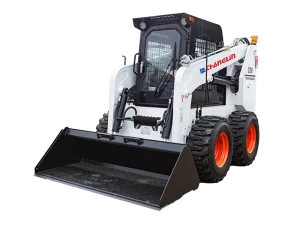
China Skid Steer Loader 275F Manufacturer, Factories
View Product Details
China Road Roller GYS12J Manufacturers, Factories
View Product Details
Buy Bulldozer YD320 Manufacturer, Factory
View Product Details
China Motor Grader PY240H Manufacturers, Factory
View Product Details
Buy Road Roller GYS08J Manufacturer, Factories
View Product Details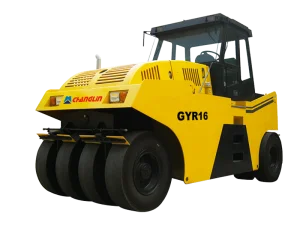
Buy Road Roller GYR162 Manufacturer, Factory
View Product Details
China Motor Grader PY320T Manufacturer, Factories
View Product Details
Buy Motor Grader PY130H Manufacturers, Factories
View Product DetailsComprehensive Classification of Backhoe Bucket Types
Choosing the right bucket configuration directly impacts fuel burn, hydraulic efficiency, cycle times, and teeth wear rates across distinct earthworks and geological formations.
Standard Digging & General Purpose Buckets
Designed for loose earth, sand, fine gravel, and soft clay handling. These buckets feature ISO 7451 rated capacity ranging from 0.18 m³ to 1.2 m³. Built with high-strength low-alloy structural steel (Q355B) and equipped with standard flush-mount adapter teeth, they minimize penetration resistance during light utility trenching.
Heavy-Duty (HD) & Severe-Duty (SD) Rock Buckets
Engineered for highly abrasive materials including granite, blasted rock, hardpan, and fractured limestone. Built using Hardox 450/500 wear plates on the cutting edge and heel shrouds, featuring thick side-cutters, double-vector corner shrouds, and heavy-duty ESCO or CAT-style J-Series tooth systems.
Ditching & Hydraulic Tilting Grading Buckets
Wide, shallow profiles optimized for canal cleaning, slope forming, ditch restoration, and fine grade finishing. Available with dual hydraulic tilting cylinders (+/- 45 degrees), integrated bolt-on reversible cutting edges (BOR), and drainage holes to prevent clay sticking.
Trapezoidal & V-Ditch Pipe-Laying Buckets
Specially tapered sidewalls shaped at fixed angles (typically 45° or 60°) designed for single-pass irrigation canal trenching, pipeline bedding, and cable conduit excavation. Eliminates the need for manual bank shoring in municipal civil works.
Skeleton & Riddle Sorting Buckets
Features vertical and horizontal heavy steel ribbing that allows fine material (sand, topsoil, silt) to sift through while retaining larger rocks, concrete debris, or demolition rubble. Crucial for primary quarry screening and land reclamation jobs.
Multi-Ripper & Hydraulic Thumb Buckets
Combines staggered ripper shanks with bucket geometry to fracture frozen ground, shale, or asphalt prior to scoop movement. Integrated hydraulic thumbs turn backhoes into multi-functional demotion and timber-handling grabs.
Technical Specifications & Operational Compatibility Table
Use the engineering reference matrix below to evaluate bucket selection based on carrier weight class, breakout force requirements, and metallurgical composition:
| Bucket Category | Carrier Machine Mass | ISO Capacity Range | Main Lip Metallurgy | Wear Plate Grade | Tooth Coupling System |
|---|---|---|---|---|---|
| GP Digging Bucket | 3.5 - 9.0 Ton Backhoes | 0.15 - 0.45 m³ | Q355B High Tensile Steel | NM400 Edge Strip | Side-Pin / Flush Adapter |
| Heavy-Duty Trenching | 8.0 - 15.0 Ton Backhoes | 0.40 - 0.85 m³ | HG785 D-Class Steel | Hardox 450 Liners | CAT J250 / J300 Series |
| Severe Quarry Rock | 14.0 - 25.0 Ton Excavators | 0.80 - 1.60 m³ | High-Manganese Alloy | Hardox 500 / NM500 | ESCO K-Series / KingMet |
| Hydraulic Tilting Ditch | 6.0 - 18.0 Ton Carriers | 0.30 - 1.10 m³ | Q355B / Weldox 700 | BOR Reversible Edge | Direct Pin / S-Type Quick Attach |
| Skeleton Sorting Bucket | 8.0 - 22.0 Ton Carriers | 0.50 - 1.40 m³ | Forged Rib Structure | AR400 Side Cutters | Custom Bolt-on Adapter |
Why Source Backhoe Bucket Types from China Manufacturers?
China's Changzhou and Jiangsu heavy machinery manufacturing clusters combine advanced metallurgical supply chains with automated robotic assembly to deliver exceptional lifetime ROI.
Integrated Steel Supply Chain & Metallurgy
Direct integration with domestic Tier-1 steel mills (Baosteel, Ansteel) ensures immediate access to high-tensile structural steels (Q355B, Q690D) and abrasion-resistant wear plates (NM400, NM500, Hardox equivalents). Procurement costs are reduced while metallurgical yield strength and impact resistance meet strict ISO and CE certifications.
Automated Robotic Welding & CNC Precision
Modern Chinese attachment factories utilize multi-axis CNC laser cutting tables for perfect plate beveling, combined with robotic GMAW/MIG pulse welding cells. This eliminates human error, guarantees 100% deep-root weld penetration, and avoids stress concentration hot-spots that lead to cracking in harsh quarry conditions.
Comprehensive OEM/ODM Customization Capabilities
Whether configuring buckets for proprietary quick-couplers (S-Type, Miller, Verachtert, Pin-Grabber) or tailoring pin spacing, ear widths, and dip-stick clearances, Chinese OEMs offer custom engineering drawings in 3D CAD/FEA within 48 hours for immediate prototype approval.
Macro Industry Trends Shaping Backhoe Bucket Technology
Next-generation earthmoving demands smarter attachments, eco-friendly manufacturing, and dynamic kinematic optimizations for electric machinery fleets.
IoT Telematics & Wear-Detection Sensor Integration
Modern backhoe buckets are increasingly outfitted with embedded RFID tags and ultrasonic wear-plate thickness sensors. Fleet operators can monitor tooth consumption, bucket tilt geometry, and payload weight in real time via 5G telematics networks, preventing un-scheduled machine downtime.
Lightweight High-Strength FEA Kinematic Design
Finite Element Analysis (FEA) software allows engineers to remove unnecessary dead weight from bucket shells while reinforcing stress points. Lightweight buckets reduce hydraulic load, allowing battery-electric backhoes to extend single-charge duty cycles by up to 18%.
Modular Bolt-On Wear Systems & Circular Maintenance
Shift from fully welded wear components to modular, drop-in replacement heel shrouds, wing protectors, and lip covers. Field technicians can perform total wear package overhauls on-site without heavy cutting torches or field welding equipment.
Localized Job-Site Scenarios & Heavy Machinery Solutions
Matching bucket configuration, tooth geometry, and structural strength to global geological conditions and project scales.
Urban Infrastructure & Tight Utility Trenching
In densely populated metropolitan zones, backhoe loaders must operate within strict lane widths without disrupting adjacent traffic. Narrow profile trenching buckets (200mm – 400mm) equipped with vertical side cutters allow precise fiber-optic and gas pipe trenching. Integrated tilt-rotator couplers give operators 360-degree flexibility around manholes and existing utility lines.
High-Altitude Mining & Quarrying Operations
Deploying heavy equipment in Andean or Central Asian mining projects requires coping with freezing temperatures and highly abrasive rock strata. Severe-Duty Rock buckets utilize extra-thick alloy lip plates, cold-weather normalized steel bodies to avoid brittle fracture, and chisel-style teeth for maximum ground penetration force.
Agricultural Canal Dredging & River Maintenance
Tropical agricultural regions require extensive ditch clearance to manage monsoon floodwaters. Wide, perforated ditching buckets with water drainage slots clear silt and water hyacinths quickly without lifting excess water mass, maximizing engine fuel efficiency during long maintenance shifts.
Roadbed Construction & Highway Expansion
Large highway projects rely on backhoes for culvert installation and side-ditch excavation ahead of motor graders and compactors. Heavy-duty buckets fitted with quick-couplers allow rapid swapping between trenching, grading, and hydraulic breaking attachments in minutes.
Step-by-Step OEM Sourcing & Quality Control Workflow
How international procurement managers, equipment dealers, and fleet engineers streamline custom backhoe bucket sourcing from China factories.
Verification of machine arm connection dimensions: pin diameter, dipper arm width, and pin center-to-center distances.
Selecting lip thickness, wear strip layout, and steel grade (Q355B vs Hardox 450) based on soil abrasion index.
Generating precision 3D CAD models and FEA load stress simulations for customer engineering sign-off.
CNC plasma flame cutting, beveling, automated robotic welding, and shot-peening surface treatment.
Ultrasonic weld testing, pinhole tolerance checks, paint thickness verification, and container stuffing optimization.
Complete Earthmoving & Road Construction Fleet Solutions
Combine specialized backhoe buckets with our heavy machinery line up for maximum project performance and single-source procurement simplicity.

Buy Motor Grader PY220H-5 Manufacturers, Factories
View Product Details
China Road Roller GYS10J Manufacturers, Factory
View Product Details
China Road Roller GYS142 Manufacturer, Factories
View Product Details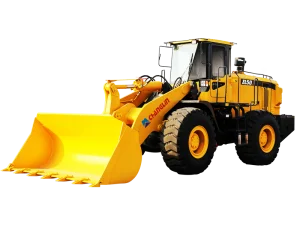
Buy Wheel Loader ZL50Z Manufacturers, Factory
View Product Details
Buy Bulldozer YD160 Manufacturer, Manufacturers
View Product Details
China Bulldozer YD255 Manufacturer, Manufacturers
View Product Details
Buy Skid Steer Loader 255F Manufacturers, Factories
View Product Details
Buy Motor Grader PY350T Manufacturer, Manufacturers
View Product DetailsFrequently Asked B2B Sourcing Questions
Expert engineering answers addressing bucket selection, pin fitment, metallurgy, international shipping, and OEM customization.
How do I verify pin-to-pin dimensions before ordering a custom backhoe bucket?
To guarantee a 100% precise fitment to your carrier backhoe or excavator dipper arm, our engineering team requires three core measurements: (1) Pin Diameter (D), (2) Ear Clearance / Dipper Arm Width (W), and (3) Pin Center-to-Center Distance (C-C). Upon submitting these dimensions, our factory generates a 2D engineering drawing within 24 hours for formal sign-off before steel cutting begins.
What is the difference between standard Q355B steel and Hardox 450 wear plate in bucket lifespans?
Q355B is a high-strength low-alloy structural steel with a yield strength of ~355 MPa, ideal for bucket shells and upper structures working in non-abrasive dirt or clay. Hardox 450 is a quenched and tempered wear plate with a nominal hardness of 450 HBW. Utilizing Hardox 450 on the cutting edge, side cutters, and bottom wear strips increases wear life by 300% to 500% in broken rock, granite, and gravel environments compared to standard structural steel.
How is ISO 7451 bucket capacity calculated for backhoe loaders?
ISO 7451 calculates bucket capacity based on two values: Struck Capacity (the internal volume enclosed by the bucket body without heap) and Heaped Capacity (struck volume plus the volume of material piled on top at a 1:1 or 1:2 angle of repose). When choosing a bucket, ensure your machine’s hydraulic lifting capacity and tipping load match the total weight of the bucket plus its heaped payload.
Can Chinese backhoe bucket manufacturers supply quick-coupler compatible earings?
Yes. Factories manufacture buckets fully compatible with all major global quick-coupler standards, including S-Type (S40, S50, S60, S70), Miller double-pin grabbers, Verachtert CW-Series, Lehnhoff, and hydraulic tilt-rotator hitches. Ear structures are CNC-machined to hold strict H7 pin tolerances.
What tooth systems are available for Heavy-Duty and Severe-Duty rock buckets?
We offer factory-installed tooth systems including Caterpillar J-Series (J200 up to J600), ESCO Ultralok / K-Series, Komatsu side-pin teeth, and Bofors systems. Customers can specify standard long teeth, heavy-duty rock chisel teeth, or twin-tiger teeth according to ground conditions.
What is the typical manufacturing lead time for bulk wholesale bucket orders?
Standard bucket models (0.2m³ – 1.0m³) held in semi-finished stock can be finished and painted within 7 to 10 days. Custom OEM orders requiring specialized FEA engineering, non-standard quick-hitch geometries, or Hardox 500 upgrades typically have a production cycle of 15 to 25 calendar days depending on batch volume.
How are backhoe buckets packaged for sea freight container shipping?
Buckets are secured on reinforced steel or fumigated hardwood skids with heavy-duty steel strapping. Cutting edges and pin bushings are coated with anti-rust marine grease and wrapped in anti-corrosion VCI plastic film. Smaller utility buckets are nested inside larger rock buckets to optimize 20GP and 40HQ container space, significantly lowering freight cost per unit.