
Flagship Heavy Duty Equipment Series
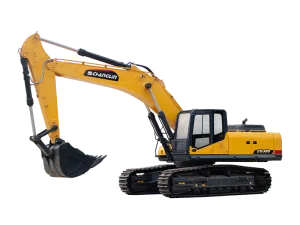
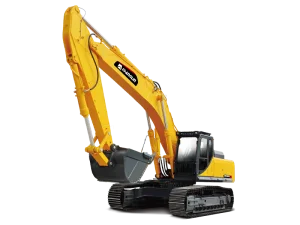
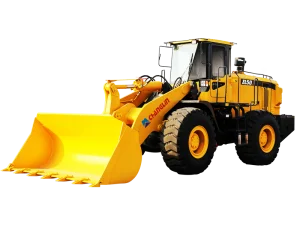
Direct factory supply of high-performance crawler excavators, motor graders, wheel loaders, and road rollers engineered for demanding global earthmoving projects.





Industrial Scale & Operational Performance
Empowering international infrastructure projects with OEM/ODM production capabilities, centralized quality control, and worldwide field support.
Executive Summary & Macro Commercial Analysis: The 20-Tonne Excavator Benchmark
In the global heavy construction and mining equipment matrix, searching to buy Excavator 2000 manufacturer & manufacturers represents a specific procurement intent: securing reliable, medium-to-heavy class earthmoving machinery (typically within the 20 to 25-metric-ton operating mass category, such as the flagship ZG210, ZG250, and ZG330 series). This capacity tier accounts for over 42% of total global hydraulic excavator demand, acting as the primary workhorse across civil infrastructure, rock quarrying, urban expansion, and bulk cut-and-fill operations.
As state-backed infrastructure investments expand across North America, Latin America, Southeast Asia, the Middle East, and Africa, contracting consortiums face escalating demands regarding machine uptime, specific fuel consumption (SFC), and compliance with global emission standards (ranging from Tier 2/3 in developing regions to Stage V/Tier 4 Final in strictly regulated territories). Sourcing direct from certified manufacturing conglomerates like Sinomach-HI (Changlin base) eliminates intermediary markups while providing custom engineering parameters tailored to site altitude, ambient thermal extremes, and abrasive ground conditions.
High Efficiency Hydraulics
Positive-flow hydraulic control systems matched with electronic main control valves reduce hydraulic energy loss by up to 12% compared to traditional negative-flow systems.
Structural FEA Durability
Heavy-duty boom, arm, and X-frame undercarriage fabricated from high-tensile structural steel, validated through 5,000 continuous hours of finite element stress testing.
Total Cost Optimization
Direct manufacturer integration ensures lifecycle component availability, optimized preventative maintenance schedules, and superior secondary market resale value.
Engineering Architecture & Core Technical Performance Metrics
The engineering benchmark of the Excavator 2000 class revolves around the precise balancing of engine power output, main pump flow rate, and bucket tear-out forces. Modern heavy earthmoving demands non-linear hydraulic response: fast cycle times during light-duty trenching combined with maximum breakout force during heavy rock ripping.
| Engineering Metric / Spec | Standard 20-Tonne Class (ZG210) | Heavy Heavy-Duty Class (ZG250) | Mining/Quarry Tier (ZG380/ZG480) |
|---|---|---|---|
| Operating Weight Range | 20,800 kg - 21,500 kg | 24,500 kg - 25,200 kg | 37,800 kg - 47,500 kg |
| Engine Power Rating | 112 kW - 115 kW @ 2000 rpm | 133 kW - 140 kW @ 2000 rpm | 212 kW - 298 kW @ 1800 rpm |
| Bucket Capacity Range | 0.9 m³ - 1.05 m³ | 1.2 m³ - 1.4 m³ | 1.9 m³ - 2.5 m³ |
| Max Digging Depth | 6,600 mm | 6,980 mm | 7,380 mm - 7,800 mm |
| Hydraulic Pump Flow Rate | 2 x 216 L/min | 2 x 240 L/min | 2 x 360 L/min |
| Bucket Breakout Force (ISO) | 145 kN | 175 kN | 255 kN - 290 kN |
1. Powertrain Synchronization and Thermal Efficiency
The core energy plant utilizes low-RPM, high-torque turbocharged diesel engines (Tier 3/Tier 4F/Stage V compliant Cummins, Weichai, or Isuzu platforms). Electronic common-rail fuel injection systems operate at pressures up to 1,800 bar, ensuring complete fuel atomization. This results in an average fuel burn reduction of 8.5% to 11% under heavy-load digging cycles. Advanced cooling modules feature independent variable-speed hydrostatic fans that automatically adjust based on coolant and hydraulic oil temperatures, minimizing parasitic engine drag.
2. Advanced Hydraulic Fluid Dynamics (Positive-Flow Architecture)
Prior-generation machinery relied heavily on negative flow control, which experienced fluid throttling losses across the main control valve spool. The Excavator 2000 platform integrates positive flow control architecture: twin axial-piston variable displacement pumps receive direct electronic control signals from the pilot levers. Pump displacement matches operator lever displacement instantly, delivering fluid directly where work is performed. This yields micro-controllability during fine grading alongside rapid compound movement speed during swing and load out.
3. Reinforced Undercarriage and Heavy-Duty Work Equipment
Undercarriage longevity dictates machine operating costs in rock quarries. Track frames are constructed using robot-welded pentagonal section track rollers, heavy-duty carrier rollers, and forged track shoes (600mm to 800mm triple-grouser options). High-stress junction points on the boom foot, boom tip, and arm cylinder mounting brackets incorporate cast steel inserts to dissipate multi-directional torsional stresses.
The Next Era of Earthmoving Machinery
How digitalization, electrification, and intelligent telemetry are shifting the commercial paradigm for buyers evaluating top-tier excavator manufacturers.
IoT Telematics & Remote Diagnostics
Every standard Excavator 2000 unit is equipped with 4G/GPS telematics modules transmitting real-time CAN-bus operational data: fuel burn per hour, hydraulic oil temperature, idle time percentage, error codes, and maintenance alert thresholds directly to mobile and desktop fleet management consoles.
Electrification & Hybrid Platforms
Leading manufacturers are accelerating clean energy transitions. Complementing standard diesel lines, high-capacity battery-electric models (such as the ZL50EV loader and electric excavator development programs) offer zero direct carbon emissions, lower noise signatures (<68 dB cab level), and up to 60% savings in energy costs.
Technology Evolutionary Roadmap (2025–2035)
Localized Deployment Scenarios & Field Adaptability
Heavy machinery must adapt to extreme microclimates and challenging geological environments. Discover how custom configurations solve regional site hurdles.
High Altitude & Thin-Air Kits
Operated at elevations exceeding 4,000 meters (e.g., Andean mining corridors or Central Asian mountain routes), standard engines suffer power derating. Specialized turbochargers and altitude-calibrated ECUs maintain rated engine horsepower and prevent thermal overload.
Arctic Sub-Zero Operational Packages
In Siberian or Canadian permafrost environments (-30°C to -45°C), standard hydraulic seals and engine oils fail. Extreme cold packages introduce engine block heaters, arctic-grade hydraulic seals, synthetic low-pour-point fluids, and heated operator cabs.
Tropical High-Humidity & Coastal Environments
For coastal sea wall construction and tropical jungle clearing in Southeast Asia or West Africa, machines encounter high salinity and mud immersion. Heavy-duty zinc-rich primers, sealed electrical connectors (IP67), and reinforced track seal guards prevent premature corrosion.
Integrated Macro Industry Solutions: Fleet Synergy & Procurement Strategy
Procuring single standalone units rarely fulfills modern enterprise construction mandates. Maximizing earthmoving productivity demands an integrated machinery ecosystem where crawler excavators, motor graders, wheel loaders, and compaction road rollers operate in synchronized duty cycles.
1. Mass Earthmoving and Cut-and-Fill Optimization
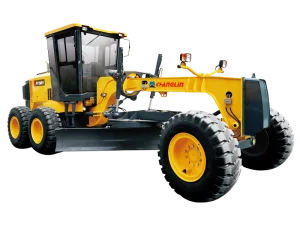
In highway construction, machine matching dictates daily productivity. A 20-tonne or 35-tonne crawler excavator (such as the ZG210 or ZG380) pairs optimally with 5-tonne to 6-tonne payload wheel loaders (e.g., ZL50Z, ZL60H). While excavators tackle steep slope cuts and deep trench digging, wheel loaders handle aggregate stockpile transfer and rapid haul truck loading. Following rough material placement, high-tonnage motor graders (e.g., PY220H, PY320T) execute precision leveling, followed by vibratory rollers (GYS20J) achieving certified compaction density.
2. Total Cost of Ownership (TCO) & Procurement Risk Mitigation
When international contractors evaluate quotes from a buy Excavator 2000 manufacturer & manufacturers list, initial acquisition price represents only 25-30% of total lifecycle expenditure. The remaining 70-75% comprises fuel consumption, operator wages, unscheduled downtime, wearing parts replacement, and fluid maintenance.
- Direct OEM Customization: Sourcing direct from established Changzhou manufacturing facilities enables factory installation of auxiliary hydraulic lines (breaker/piping), quick-couplers, and specialized buckets (rock, mud, trenching) prior to sea freight dispatch.
- Spare Parts Interchangeability: Utilizing standardized filter kits, wear pins, and structural components across machine families simplifies job site logistics and reduces warehouse safety-stock carrying costs.
- Pre-Shipment Inspection (PSI): Factory functional testing protocols include 100% hydraulic pressure testing, thermal imaging of rotating components, and video-recorded PDI verification prior to port loading.
Specialized Heavy Machinery Lines
Explore our broader portfolio including medium-to-heavy crawler excavators, motor graders, and high-performance loaders designed for global export.







Frequently Asked Questions
Direct engineering insights to answer critical international buyer queries regarding specifications, OEM options, shipping, and warranty coverage.