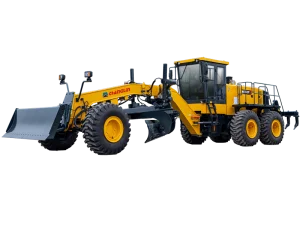
Featured Heavy Machinery & Powertrain Solutions (Part I)
Explore high-performance earthmoving and road machinery directly integrated with Tier 4 Final / Stage V emission-compliant diesel engine systems from vetted OEM production facilities.








The Global Commercial Landscape of Excavator Engines
The global heavy machinery sector is undergoing a profound structural evolution driven by stringent multi-regional emissions mandates, surging infrastructure investments across developing economies, and an relentless demand for higher thermal efficiency and power density.
Powertrain Electrification & Hybridization Trends
While internal combustion engines (ICE) remain the dominant primary power source for mid-to-heavy crawler excavators (15 to 90 metric tons), hybrid electro-hydraulic setups and low-rpm high-torque diesel configurations are establishing new operational standards. Modern buyers evaluating an excavator engine factory must account for engine-ECU communication compatibility with hybrid energy recovery systems (ERS), which store braking force and hydraulic swing energy to boost total thermal efficiency by up to 22%.
Emissions Standard Harmonization (Tier 4F / Stage V)
Global enterprise buyers are faced with navigating fragmented regional regulatory hurdles. Advanced manufacturing factories in China now dual-track their production lines: engineering Tier 3 / China III compliant mechanical injection engines for unregulated export corridors, alongside ultra-clean High-Pressure Common Rail (HPCR) engines equipped with Diesel Particulate Filters (DPF), Diesel Oxidation Catalysts (DOC), and Selective Catalytic Reduction (SCR) for North American and European EPA Tier 4 Final / EU Stage V compliance.
For fleet managers, rental houses, and equipment overhaul facilities, sourcing complete engine assemblies or replacement blocks directly from a qualified excavator engine manufacturer eliminates multi-tier dealer markups. Supply chain resilience requires deep insight into casting quality, structural stiffness of cylinder blocks, and localized component availability.
China Engine Factories: Efficiency, Scale & Supply Chain Synergy
China’s heavy equipment industrial hubs—specifically localized powertrain clusters across Jiangsu (such as Changzhou), Shandong, and Zhejiang—have evolved from basic assembly hubs into world-class high-precision engineering centers.
High-Precision Flexible CNC Machining
Modern Chinese engine factories utilize automated German and Japanese 5-axis machining centers for cylinder head and crankcase production. Tolerances for cylinder bore roundness are maintained within sub-micron levels (0.002mm), drastically reducing blow-by gases and oil consumption over long operational cycles.
End-to-End Cluster Aggregation
The physical proximity of foundry plants, turbocharger specialists, fuel injection system suppliers (Bosch/Weifu JV units), and electronic control unit (ECU) programmers within a 50km radius enables lead-time compression from months to weeks for custom OEM engine batches.
Rigorous Automated Dyno Testing
Leading engine factories subject 100% of manufactured units to automated hot-testing dynamometer benches. Every engine undergoes real-time data logging for oil pressure, coolant temperature rise, brake specific fuel consumption (BSFC), and transient load response prior to packing.
By purchasing directly from a buy excavator engine factory, B2B buyers capture a 25% to 40% Total Cost of Ownership (TCO) improvement compared to Western distributor channels. This margin differential stems from automated foundry casting scale, optimized raw material procurement pipelines, and direct export logistics pricing—without sacrificing component durability or IATF 16949 quality certifications.
Excavator Engine Architecture & Component Engineering
Excavator duty cycles differ fundamentally from highway truck engines. Excavators require continuous high-load torque delivery at low engine speeds, rapid transient load acceptance during heavy digging operations, and resilience against high hydraulic pressure spikes.
| Excavator Tonnage Class | Displacement Range | Engine Architecture | Fuel Injection Pressure | Aftertreatment Standard | Target Machine Models |
|---|---|---|---|---|---|
| Mini Excavator (1.5 - 6 Ton) | 0.9L - 2.4L (3-4 Cyl) | Naturally Aspirated / Mechanical Turbo | 1,200 - 1,600 Bar (Mechanical/HPCR) | Tier 3 / Tier 4 Final (DOC) | ZG015, ZG035, Compact Loaders |
| Medium Excavator (13 - 24 Ton) | 4.5L - 6.7L (4-6 Cyl) | Wastegate Turbocharged + Intercooled | 1,800 - 2,200 Bar HPCR | Stage V / Tier 4F (DOC+DPF+SCR) | ZG150, ZG210, ZG220N |
| Heavy Excavator (30 - 50 Ton) | 8.9L - 13.0L (6 Cyl Inline) | Variable Geometry Turbo (VGT) | 2,200 - 2,500 Bar HPCR | Stage V / Tier 4F (Dual SCR/DPF) | ZG380, High-Volume Mining Units |
| Ultra-Heavy Mining (>50 Ton) | 15.0L - 27.0L (V8/V12) | Twin Turbocharged Aftercooled | 2,500+ Bar Electronic Unit Injector | Tier 2 / Tier 4 Heavy Mining | Open-Pit Mining Shovels & Loaders |
Thermodynamics & High-Pressure Common Rail (HPCR)
Modern excavator diesel engines utilize solenoid or piezoelectric fuel injectors capable of executing up to five injection events per combustion cycle (pilot, main, and post-injections). This precise metering controls peak cylinder pressure, mitigates mechanical stress on crankshaft bearings, and optimizes atomization for total carbon combustion.
- Solenoid-driven injectors with sub-millisecond response timing
- Hardened alloy steel cylinder liners with friction-reducing plateau honing
- Integrated oil cooler modules for thermal stabilization under continuous 100% load
Structural Integrity & Vibration Control
Excavator frames undergo extreme torsional twists when slewing heavy rock loads on unlevel terrain. Premium engine factories cast their engine blocks using high-strength compacted graphite iron (CGI) or heavy-ribbed grey iron castings to prevent block flexing and main bearing misalignment during heavy digging cycles.
- Nodular iron crankshafts with induction-hardened journals
- Forged steel connecting rods with fracture-split big ends
- Heavy-duty viscous vibration dampers for extended accessory drive belt life
Localized Application Scenarios & Extreme Field Tuning
Heavy machinery operates across vastly different geographic and climatic profiles. Direct factory customization ensures that engine packages are tailored for maximum reliability regardless of environmental stress.
High-Altitude Alpine Operations
At elevations exceeding 3,000 meters above sea level, atmospheric air density drops significantly, leading to turbocharger overspeeding and thermal overload. OEM factories re-calibrate ECU fuel mapping and utilize twin-stage turbocharging or altitude-compensating wastegate algorithms to maintain rated power output up to 4,500m without thermal de-rating.
Sub-Zero Arctic Cold Start Packages
For mining projects in CIS regions or Northern Canada operating at -40°C, engine factories equip assemblies with integrated 220V/110V coolant block heaters, glow plug pre-heating systems, fuel filter water separator heating elements, and synthetic low-viscosity oil sealing gaskets to eliminate cold-start scuffing.
Ultra-Dusty Desert & Quarry Sites
In high-ambient sandstorms or limestone quarry operations, standard single-stage air filtration leads to rapid cylinder wall abrasive wear. Factory optioning includes multi-stage centrifugal pre-cleaners, heavy-duty dual-element air filters with automatic dust ejectors, and tropical radiator core spacing to prevent debris clogging.
Next-Generation Technology Trends Shaping Construction Engines
The industrial engine manufacturing landscape is rapidly transitioning toward digital connectivity, zero-carbon alternative fuels, and predictive maintenance diagnostics.
Telematics & CAN-Bus J1939 Telemetry
Modern excavator engines produced by top-tier factories come standard with CAN-bus J1939 communication modules. This allows real-time streaming of engine operating parameters—including soot load percentage in DPF filters, fuel rail pressure fluctuations, oil degradation indices, and active fault codes—directly to fleet management dashboards, preventing catastrophic engine failures.
Hydrogen ICE & Synthetic Fuel Compatibility
Leading engine manufacturing factories are investing heavily in zero-emission internal combustion technologies. Direct-injection Hydrogen Internal Combustion Engines (H2-ICE) and HVO (Hydrotreated Vegetable Oil) compatible diesel fuel systems share up to 80% of component architecture with conventional engines, providing a cost-effective pathway to zero carbon without requiring expensive fuel cell battery stacks.
Enterprise Sourcing Roadmap: Supplier Audit & TCO Strategy
Navigating global factory procurement for excavator engines requires a disciplined framework evaluating factory capabilities, quality control benchmarks, export compliance, and total lifecycle costs.
1. Factory Audit & Quality Credentials
Verify that the target excavator engine factories hold valid ISO 9001 and IATF 16949 quality system certifications. Request verification of 3D CMM (Coordinate Measuring Machine) inspection labs and verify that key components (crankshafts, fuel pumps, injectors) originate from tier-1 global or top-tier domestic brands.
2. Dyno Test Log Verification
Require direct access to the factory’s individual serial-number dyno test certificates for every ordered unit. Critical metrics include power output curve matching, peak torque speed verification, crankcase blow-by pressure under full load, and exhaust smoke opacity readings.
3. Export Packaging & Customs Logistics
Engines shipped internationally must be protected against sea-salt corrosion. Professional engine suppliers utilize vapor corrosion inhibitor (VCI) vacuum foil wrapping, fumigated heavy-duty wooden crates, and custom steel engine shipping frames tailored for container or RoRo transport.
Total TCO = Initial Factory Purchase Cost + (Liters/Hour Fuel Burn × Operating Hours × Fuel Price) + Scheduled Maintenance Parts - Residual Reman Value
Direct factory sourcing reduces initial capital expenditure by up to 35%, which significantly lowers the hourly break-even operational cost for heavy machinery rental fleets and construction contractors.
Frequently Asked Questions: Sourcing & Engine Maintenance
Expert answers to common engineering, commercial, and logistical questions regarding excavator engine procurement from manufacturing factories.
Featured Heavy Machinery & Powertrain Solutions (Part II)
Discover additional heavy machinery product lines featuring factory-direct engine integration, robust structural hydraulics, and verified international operational capabilities.