
Featured Heavy Machinery Portfolio (Primary Fleet Units)
Explore heavy earthmoving machinery configured for maximum mechanical efficiency, harsh environment durability, and optimal TCO across infrastructure megaprojects.

China Crawler Excavator ZG220N Manufacturers, Factories
View Specifications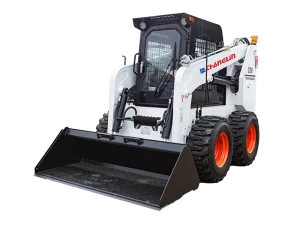
China Skid Steer Loader 275F Manufacturer, Factories
View Specifications
Buy Wheel Loader ZL30H Manufacturer, Manufacturers
View Specifications
China High Performance 22T Excavator for Sale ZG220 Factory, Factories
View Specifications
Buy Motor Grader PY220H-5 Manufacturers, Factories
View Specifications
China Road Roller GYS12J Manufacturers, Factories
View Specifications
China Road Roller GYS10J Manufacturers, Factory
View Specifications
China Crawler Excavator ZG330D Factory, Factories
View Specifications1. Global Commercial & Industrial Landscape of Heavy Earth Moving Machinery
The global heavy earth moving equipment market is experiencing a structural evolution driven by mega-infrastructure commitments, mining expansion, urban redevelopment, and strict decarbonization mandates.
Market Valuation & Supply Chain Shift
Valued at over $140 billion globally, the heavy earthmoving equipment sector relies heavily on state-of-the-art Original Equipment Manufacturers (OEMs) who can deliver hydraulic precision, structural durability, and supply chain resiliency. China has transformed into a dominant global hub for machinery manufacturing, leveraging fully integrated steel processing, advanced robotics, and component localization to provide unprecedented cost-to-performance metrics for international buyers.
Key Regional Growth Drivers
Demand patterns reflect localized infrastructure initiatives: South America and Central Asia see massive capital expenditures in open-pit mining requiring high-capacity crawler excavators (30T–40T+) and mining graders; Sub-Saharan Africa focuses on government-backed road formation using motor graders and vibratory rollers; and Southeast Asia demands flexible loading solutions including diesel/electric wheel loaders for port facilities and quarry sites.
2. Architectural Breakdown: Core Machine Families & Engineering Specs
Industrial performance depends on matching machine kinematics, engine power output, hydraulic flow, and structural metallurgy to specific earthworks applications.
Heavy Crawler Excavators
Ranging from medium-duty 22-ton units (such as the ZG220 / ZG220N series) to heavy-duty 38-ton mining excavators (ZG330D, ZG385), crawler excavators feature negative flow hydraulic control systems, heavy-duty structural booms, and reinforced X-frame undercarriages. Equipped with high-torque engines, they excel in trenching, foundation digging, rock loading, and severe quarrying operations.
Precision Motor Graders
Engineered for high-accuracy surface leveling, embankment profiling, and haul road maintenance. Units like the PY130H and PY220H-5 feature heavy-duty moldboards, electro-hydraulic load-sensing steering, torque converter power shift transmissions, and optional 3D grade guidance integration for ultra-precise sub-base control.
High-Efficiency Wheel Loaders
Designed for fast cycle times in stockpiling, truck loading, and material re-handling. Heavy wheel loaders such as the ZL30H and high-tonnage ZL80H integrate optimized Z-bar linkage geometry for maximum breakout force, automatic bucket leveling, and reinforced planetary power shift gearboxes.
Bulldozers & Heavy Earth Dozers
Crawler dozers (YD160, YD255) provide continuous drawbar pull for pioneer land clearing, mass dozing, and severe slope stabilization. Built with modular power trains, semi-U or straight-tilt blades, and heavy-duty single/triple shank rippers for hard rock fracturing.
Compactors & Road Rollers
Compaction technology encompasses single-drum vibratory rollers (GYS08J, GYS10J, GYS12J) for cohesive and non-cohesive soils, along with multi-wheel landfill compactors (GYL233) engineered with steel cleated wheels and refuse blades for municipal solid waste compaction density.
Compact Skid Steer Loaders
Compact wheel skid steers (275F) deliver high hydraulic flow rates within ultra-tight turning radiuses. Ideal for urban construction, site clean-ups, road milling attachments, and agricultural material handling.
Engineering Comparison & Application Suitability Matrix
Selecting the optimal equipment combination is critical for minimizing fuel consumption per moved cubic meter ($/m³) and maximizing machine utilization rates.
| Equipment Category | Key Representative Models | Primary Hydraulic / Engine Spec | Optimal Industry Application Scenario |
|---|---|---|---|
| Medium Excavator (20T-25T) | ZG220N, ZG220, ZG250 | 112kW - 133kW | Kawasaki Hydraulics | General infrastructure, pipe laying, road excavation |
| Heavy Excavator (30T-40T) | ZG330D, ZG385 | 198kW - 224kW | Dual-pump flow confluence | Heavy open-pit mining, quarry loading, bulk earthworks |
| Motor Graders | PY130H, PY220H-5 | 97kW - 162kW | Power-shift transmission | Highway grading, airport runway prep, haul road maintenance |
| Wheel Loaders | ZL30H, ZL80H | 3-ton to 8-ton rated payload capacity | Aggregate stockpiling, port logistics, cement plant feeding |
| Soil & Refuse Compactors | GYS10J, GYS12J, GYL233 | High centrifugal force vibratory drums / cleats | Sub-base compaction, dam building, municipal landfill sites |
| Crawler Bulldozers | YD160, YD255 | 120kW - 190kW | Hydro-mechanical drive | Heavy push loading, land clearing, overburden ripping |
3. Emerging Industry Trends & Technological Innovations
The machinery sector is undergoing a triple transformation: Electrification, Telematics-Driven Autonomy, and Sustainable Structural Engineering.
Electrification & Battery Tech
Zero-emission regulations in tunneling, urban construction, and green ports are accelerating the adoption of electric wheel loaders and battery-powered mini/medium excavators. High-capacity LFP (Lithium Iron Phosphate) battery packs paired with permanent magnet synchronous motors deliver instant torque while reducing energy costs by up to 60% compared to conventional diesel engines.
IoT Telematics & Predictive AI
Modern machine fleets are embedded with CAN-bus IoT gateways that transmit real-time telemetry: hydraulic pressure spikes, oil contamination levels, fuel consumption profiles, and GPS location tracking. Cloud-based predictive maintenance algorithms alert fleet managers to component wear before catastrophic failures occur.
3D Machine Control & Autonomous Operation
Integration of GNSS sensors, dual-antenna positioning, and electro-hydraulic proportional valves allows motor graders and excavators to operate with millimeter precision. Automatic blade adjustments based on digital terrain models (DTM) eliminate manual surveying and speed up sub-grade prep work.
4. Localized Application Scenarios & Extreme Duty Adaptations
Heavy machinery must perform reliably across extreme ambient temperatures, high altitudes, and abrasive soil types worldwide.
High-Altitude Mining Operations (>4,000m)
In high-altitude mining environments (such as the Andes or Central Asian plateaus), rarefied air reduces engine oxygen intake. Premium OEMs equip machines like the ZG385 Excavator with turbocharged, charge-air-cooled engines featuring specialized ECU altitude calibration, high-capacity radiators, and cold-start pre-heating systems to ensure full hydraulic power output without thermal throttling.
Sub-Zero Permafrost & Arctic Conditions (-35°C)
Cold-climate packages require arctic-grade synthetic hydraulic oils, low-temperature resistant rubber hoses, fuel line heaters, and double-glazed pressurized operator cabs equipped with auxiliary heating. Structural components use high-strength alloy steels with verified low-temperature Charpy V-notch impact toughness to prevent brittle steel fracturing.
Tropical High-Humidity & Coastal Marine Corrosive Sites
High humidity and airborne salts accelerate electrical shorting and structural oxidation. OEM customization includes multi-layer epoxy anti-corrosion painting, sealed Deutsch electrical connectors (IP67/IP69K rated), heavy-duty oil bath air pre-cleaners, and tropicalized copper core cooling packages to prevent radiator clogging and overheating.
Urban Infrastructure & High-Density Earthworks
Urban sites demand tight tail-swing options, low-noise acoustic insulation packages, rubber track pads for pavement protection, and quick-coupler auxiliary hydraulics for rapid switching between hydraulic breakers, earth augers, and sorting grapples.
5. Technical Engineering Roadmap & 2030 Future Outlook
A strategic technological trajectory focused on decarbonization, smart hydraulic efficiency, and circular remanufacturing.
Phase I: Smart Hydraulics & Hybridization
Implementation of digital displacement pumps and independent metering valves (IMV) to eliminate throttling losses. Hybrid energy recovery systems capture boom-down hydraulic kinetic energy and swing braking energy, converting it into stored hydraulic or electrical power.
Phase II: Full Battery & Hydrogen Fuel Cell Integration
Commercial scaling of megawatt-class battery swapping for heavy quarry loaders and hydrogen fuel cell powertrains for remote heavy excavators, achieving 100% zero carbon emissions without site charging downtime.
Phase III: Autonomous Swarm Earthmoving
Inter-machine V2X communication allowing autonomous excavators, haul trucks, and dozers to operate as a coordinated fleet, optimizing site payload throughput, eliminating operator hazard exposure, and maximizing operating hours.
6. Enterprise OEM Procurement & Total Cost of Ownership (TCO) Optimization
Enterprise buyers must evaluate capital expenditure (CapEx), operating expenses (OpEx), residual value, and global spare parts supply chains when procuring earthmoving fleets.
Direct OEM Procurement vs. Regional Dealer Logistics
Direct manufacturer procurement ensures custom machine configuration tailored to site-specific demands (e.g., custom boom length, bucket tooth metallurgical hardness, cabin ROPS/FOPS certification). Consolidating mixed fleet purchasing (excavators, loaders, rollers) under a single OEM manufacturer simplifies spare parts stocking, operator training, and warranty claim handling.
TCO Calculation Model: Key Cost Drivers
A rigorous TCO calculation includes: Initial Equipment Purchase (30-35%), Fuel/Energy Consumption (40-45%), Planned Maintenance & Wear Parts (15-20%), and Operator Labor (10-15%). Choosing fuel-optimized engines and standardized wear components dramatically improves project net profitability over a 5-year operating cycle.
Global After-Sales Logistics & Spare Parts Support
Reliable after-sales infrastructure is vital. Tier-1 manufacturers back global deliveries with centralized spare parts hubs, fast-track emergency air-freight logistics for critical components, remote video troubleshooting, and comprehensive on-site technician training programs.
Specialized Fleet & Compaction Machinery Showcase
Complete your site deployment with high-performance compactors, heavy bulldozers, precision motor graders, and high-capacity earthmoving excavators.
Buy Landfill Compactor GYL233 Manufacturers, Factory
View Specifications
Buy Motor Grader PY130H Manufacturers, Factories
View Specifications
China Bulldozer YD255 Manufacturer, Manufacturers
View Specifications
Buy Road Roller GYS08J Manufacturer, Factories
View Specifications
China Crawler Excavator ZG385 Factory, Factories
View Specifications
Buy Bulldozer YD160 Manufacturer, Manufacturers
View Specifications
Buy Crawler Excavator ZG250 Manufacturer, Manufacturers
View Specifications
China Wheel Loader ZL80H Manufacturers, Factory
View Specifications7. Technical FAQ & Equipment Procurement Insights
In-depth answers addressing critical engineering, logistical, and operational queries from global machinery buyers and project contractors.
Q1: How do I select between a 22-ton excavator (ZG220N) and a 38-ton excavator (ZG385) for my project site?
Selection depends primarily on bank cubic meter (BCM) production targets, material density, and truck matching. A 22-ton crawler excavator (ZG220/ZG220N) offers optimal mobility and lower transport costs for general civil engineering, utility trenching, and urban roadworks. Conversely, a 38-ton machine (ZG385) is designed for heavy rock loading and high-tonnage quarrying where heavy breakout forces, larger bucket capacities (1.6m³ - 2.0m³), and stability on rough mining terrains are mandatory to achieve efficient cycle times when loading 30-to-40-ton dump trucks.
Q2: What hydraulic oil and cooling configurations are required for extreme desert operations above 45°C?
High-temperature environments require ISO VG 68 or synthetic anti-wear hydraulic fluids with high viscosity indexes to maintain lubricating film strength under intense thermal stress. OEM desert specification packages include oversized aluminum radiators, independent variable-speed hydraulic fan drives, anti-dust mesh screens, and high-capacity air conditioning systems with positive cab pressure filtration to keep fine sand out of electronics and operator controls.
Q3: Why choose a dedicated Landfill Compactor (GYL233) over a standard soil road roller for municipal waste management?
Soil road rollers rely on smooth or padfoot drums for sub-base compaction, whereas dedicated landfill compactors feature heavy-duty steel wheels equipped with specialized high-traction cleats/teeth designed specifically to shred, crush, and compact refuse. The GYL233 utilizes high ground contact pressure, front-mounted wide trash blades, and underbody armor plates to maximize waste cell density, extend landfill operational life, and prevent debris entanglement in drivetrain components.
Q4: What shipping logistics method is recommended for international transit of heavy machinery from China?
Shipping method depends on machine physical dimensions: compact units like Skid Steer Loaders (275F) can be securely lashed in standard 40ft High Cube (HC) shipping containers. Medium to heavy equipment—including motor graders (PY220H-5), large wheel loaders (ZL80H), and crawler excavators—are typically shipped via Roll-on/Roll-off (RoRo) vessels or Flat Rack (FR) sea containers to protect machine cabs and hydraulic booms from ocean saltwater exposure while eliminating disassembly requirements at destination ports.
Q5: Can motor graders be equipped with third-party GPS / 3D Grade Control Systems?
Yes. Modern motor graders (such as the PY130H and PY220H series) feature factory-installed electro-hydraulic proportional valve blocks and pre-wired CAN-bus harnesses. This architecture enables seamless plug-and-play integration with major 3D grade control technologies (including Trimble, Leica, and Topcon GPS/GNSS systems), allowing automatic hydraulic moldboard height and tilt adjustments directly from digital CAD terrain plans.
Q6: What quality management certifications and pre-shipment inspections govern OEM production?
Leading heavy machinery manufacturers operate under ISO 9001 (Quality Management), ISO 14001 (Environmental Management), and ISO 45001 (Occupational Health & Safety) standards. Machines exported globally undergo rigorous pre-delivery inspection (PDI) protocols, including hydraulic pressure testing, 100% weld non-destructive testing (NDT), engine load bench testing, and dynamic brake testing. Third-party inspections (e.g., SGS, TÜV, Bureau Veritas) are routinely performed prior to port embarkation.