
Featured Heavy Earthmoving & Construction Fleet (Part I)
Explore Sinomach-HI’s industrial-grade machinery portfolio, engineered for maximum volumetric throughput, optimized hydraulic energy transfer, and verified operational reliability across demanding job sites.







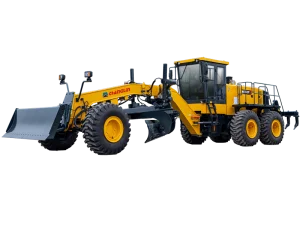
1. Executive Summary & Global Industrial Landscape
The modern earthmoving and heavy equipment sector is experiencing a paradigm shift driven by urban mega-infrastructure expansion, resource extraction projects in remote terrains, and aggressive decarbonization mandates. When enterprise buyers evaluate the decision to buy hydraulic excavator capacity from verified manufacturers and factories, the evaluation extends far beyond the superficial sticker price or gross operating weight. Hydraulic capacity—defined by the intricate balance of volumetric bucket displacement, main pump displacement volume (cc/rev), system hydraulic pressure (MPa), and flow distribution efficiency—serves as the definitive benchmark for productivity and Total Cost of Ownership (TCO).
Global macroeconomic pressures, including fuel price volatility and stringent Stage V / Tier 4 Final emissions standards, demand that equipment manufacturers transition from traditional mechanical hydraulic architectures to intelligent electro-hydraulic positive flow control (PFC) systems. Consequently, major civil contractors, quarry operators, and mining conglomerates require detailed engineering metrics to align machine hydraulic capacity with haul truck pass matching, earth-swing-dump cycle optimization, and site-specific material densities.
2. Deep-Dive Engineering: Excavator Hydraulic Capacity & Volumetric Efficiency
Evaluating hydraulic excavator capacity requires a holistic analysis of force dynamics and fluid power thermodynamics. Bucket capacity alone (measured under ISO 7451 or SAE J296 standards for struck and heaped volume) is insufficient without evaluating the corresponding breakout force generated at the bucket tooth tip (ISO 6015) and arm digging force.
Volumetric Bucket Capacity vs. Hydraulic Flow
Hydraulic pump displacement determines the speed of cylinder extension and retraction, which directly dictates total cycle time. A high-capacity bucket mounted on an under-powered hydraulic system creates severe pressure drops, causing valve cavitations and overheating hydraulic oil, which degrades volumetric efficiency below 80%. OEM-grade manufacturers optimize pump flow (L/min) to match arm and bucket cylinder bores, maintaining cycle times under 13.5 seconds.
Electro-Hydraulic Positive Flow Control (PFC)
Modern factories utilize electronic main control valves (MCV) combined with variable displacement axial piston pumps. By sensing joystick displacement and engine RPM via CAN-bus networks, the system delivers precise oil volumes to specific actuators without throttling losses across spool valves. This electro-hydraulic integration reduces fuel consumption by up to 18% per ton of excavated earth.
Standard Heavy Equipment Operating Weight vs. Hydraulic Capacity Matrix
Below is an industrial OEM reference matrix detailing nominal operating weight classes, standard ISO heaped bucket capacities, main relief valve pressure ratings, and optimal haul-truck matching profiles:
| Machine Category / Class | Operating Weight (Tons) | Bucket Capacity (ISO 7451 m³) | Hydraulic Pressure (MPa) | Primary Application / Truck Match |
|---|---|---|---|---|
| Compact / Utility Excavator | 6.0 – 8.5 Tons | 0.21 – 0.35 m³ | 24.5 – 28.0 MPa | Urban Utility, Pipe Trenching, 2-Axle Tipper |
| Medium Crawler Excavator (e.g. ZG210D/ZG220) | 21.5 – 22.5 Tons | 0.95 – 1.15 m³ | 34.3 – 37.0 MPa | Highway Civil Work, Foundations, 6x4 Dump Trucks |
| Heavy Commercial Excavator (e.g. ZG250/ZG360) | 25.0 – 36.5 Tons | 1.30 – 1.85 m³ | 34.3 – 38.0 MPa | Heavy Earthmoving, Quarry Loading, 8x4 Dumpers |
| Mining & Mass Excavation (e.g. ZG385/ZG365) | 38.5 – 50.0+ Tons | 1.90 – 2.60 m³ | 36.5 – 40.0 MPa | Open-Pit Mining, Hard Rock Breakage, Articulated Haulers |
3. Global Industrial Trends & Technology Roadmap (2025–2035)
The heavy machinery manufacturing sector is undergoing continuous technological evolution. Procurement officers and fleet operations executives must understand the multi-year technology roadmap when sourcing equipment from international factories.
1. Electrification & Hybridization
Zero-emission wheel loaders and battery-electric excavators are transitioning from niche applications to high-volume job sites. High-capacity lithium iron phosphate (LFP) battery packs, coupled with 800V high-voltage architectures, enable full 8-hour shift operations with fast-charging capabilities, reducing on-site operating costs significantly.
2. Telematics & Autonomous Guidance
Integration of 3D GNSS machine control, LiDAR payload monitoring, and automated bucket-fill routines allows novice operators to match expert productivity rates. Telematics gateways stream hydraulic pressure spikes, temperature gradients, and oil particulate counts directly to centralized fleet control centers.
3. Advanced Metallurgy & Structural Wear
Utilizing high-tensile Hardox steel in bucket structures and reinforced box-section boom designs extends structural fatigue life beyond 15,000 working hours. Customized lip systems and side cutters ensure optimal penetration in abrasive granite and quartz environments.
4. Localized Application Scenarios & Site-Specific Configurations
Operating environments vary significantly across continents. Equipment specified for temperate urban construction will encounter thermal or hydraulic failure if deployed in tropical, high-altitude, or arctic mining conditions without proper factory options.
High-Temperature & Arid Desert Operations (Middle East & Sub-Saharan Africa)
Extreme ambient temperatures exceeding 50°C cause rapid thermal degradation of hydraulic seals and viscosity breakdown in standard mineral oils. Factory modifications include heavy-duty aluminum radiators, independent variable-speed hydraulic fan drives, dual-element air pre-cleaners (cyclonic dust separators), and high-temp Viton hydraulic cylinder seals.
High-Altitude & Sub-Zero Conditions (Andes, Central Asia & Nordics)
Operating at altitudes over 3,500 meters results in lower air density, causing engine derating and reduced hydraulic pump torque absorption. Factories supply specialized turbo-charged diesel powertrains, engine block pre-heaters, synthetic low-pour-point hydraulic fluids, and thermal insulated cabs to maintain hydraulic response rates in cold climates.
Heavy Quarrying & Open-Pit Mining Duty
Impact forces against blasted rock require extra heavy-duty track frames, full-length track guards, rock-deflector plates, and heavy-duty rock buckets featuring cast alloy teeth and inter-tooth shrouds. Hydraulic systems are calibrated with secondary relief valves to absorb shock loads during heavy ripping operations.
Wetland, Reclamation & Soft-Ground Engineering
Operating in swamps or uncompacted landfill soils requires ultra-low ground bearing pressure (GBP). Manufacturers utilize widened track shoes (up to 800mm or 900mm triple-grouser shoes) and extended crawler chassis undercarriages to prevent sinking while maintaining full bucket breakout forces.
5. Macro-Industry Fleet Management & Enterprise Procurement Matrix
Enterprise fleet procurement requires balancing initial capital expenditure (CAPEX) with long-term operational expenditure (OPEX). Buying directly from established state-owned platforms and Tier-1 manufacturing facilities such as Sinomach-HI provides significant cost advantages without sacrificing component reliability.
Component Standardization
Utilizing standardized hydraulic pumps (Kawasaki, Rexroth), engines (Cummins, Weichai), and main control valves across fleet models simplifies spare parts logistics and streamlines field maintenance training for service technicians.
Total Cost of Ownership (TCO)
TCO calculations incorporate hourly fuel burn rates, hydraulic fluid change intervals (typically 2,000–5,000 hours with filtration sampling), undercarriage wear rates, and residual asset resale values in international markets.
Factory Warranty & Global Logistics
Factory-direct procurement provides structured warranty coverage, direct engineering support for customized attachments, and optimized logistics via RoRo, Flat Rack, or Break-Bulk shipping routes.
Featured Heavy Earthmoving & Construction Fleet (Part II)
Review our extended machinery line-up including specialized bulldozers, high-density landfill compactors, precision motor graders, and versatile skid steer loaders built to ISO quality management standards.







6. Frequently Asked Questions (Technical Procurement & OEM Standards)
Expert technical answers regarding hydraulic specs, factory lead times, warranty support, and site-matching criteria.