
Featured Heavy Construction Equipment
Explore OEM-certified heavy machinery directly from Sinomach-HI manufacturing facilities worldwide.








Strategic Buyer Overview: The Wheel Compactor & Compaction Equipment Industry
A technical guide for global project managers, mine operators, municipal engineers, and heavy machinery procurement executives.
When searching for a Buy Wheel Compactor Manufacturer or evaluating top-tier heavy machinery OEMs, global engineering teams look far beyond basic horsepower ratings. High-impact compaction machinery—encompassing heavy wheel compactors, padfoot soil compactors, four-wheel landfill compactors, and vibratory road rollers—serves as the structural backbone for major civil infrastructure, mining tailing dams, highway sub-bases, and municipal solid waste (MSW) operations.
Key Takeaway for B2B Sourcing: Compaction efficiency determines long-term structural integrity. Selecting the right wheel compactor manufacturer ensures high Proctor density, optimal linear load distribution, minimum fuel expenditure per ton of compacted material, and compliance with stringent international emissions standards (CE, Stage V, Tier 4 Final).
Modern wheel compactors are engineered to exert high contact pressure, shearing forces, and impact energy onto cohesive soils, gravel, rock fill, and refuse layers. Unlike standard smooth-drum rollers, multi-wheel and tamping-foot wheel compactors penetrate deep into the material layer, eliminating internal voids and ensuring uniform density without creating surface crusting. For procurement leaders, partner selection requires evaluating manufacturing capacity, metallurgy quality, hydrostatic transmission architecture, and life-cycle aftermarket support.
Mechanical & Technical Architecture of Heavy Wheel Compactors
Analyzing key structural, hydraulic, and metallurgical innovations that drive operational throughput.
Heavy-Duty Planetary Axles & Hydrostatic Drivetrain
Wheel compactors require extreme torque to overcome rolling resistance on loose soil or un-compacted waste layers. Leading manufacturers incorporate closed-loop hydrostatic drive systems paired with heavy-duty planetary steering axles. This delivers seamless speed adjustments, maximum traction control, and high gradeability under demanding site gradients.
High-Wear Tamping Teeth & Drum Metallurgy
Compactor wheels are subjected to relentless impact and abrasive wear. Premium OEMs build wheel shells and tamping teeth (padfoot patterns) using heat-treated high-tensile alloy steel (e.g., Hardox equivalent). Optimized tooth profiles shred materials while creating deep kneaded bonds between soil lifts.
ROPS / FOPS Ergonomic Cab Architecture
Operator safety and fatigue reduction directly translate to fleet productivity. Modern wheel compactors feature fully sealed, pressurized cabins equipped with FOPS (Falling Object Protective Structure) and ROPS (Roll-Over Protective Structure) certification, micro-filtration HVAC, and low-vibration isolation mountings.
Wheel Compactor Specification Matrix by Application Focus
| Equipment Type | Typical Operating Weight | Primary Compaction Mechanism | Optimal Application Scenarios | Core Metric Focus |
|---|---|---|---|---|
| Landfill Compactor (GYL Series) | 20,000 - 33,000 kg | High-Impact Capped Teeth + Stripper Bars | Municipal Solid Waste (MSW), Refuse Shredding | Air Space Reclamation, Waste Density (kg/m³) |
| Padfoot Soil Compactor | 12,000 - 26,000 kg | Kneading Impact Teeth + Vibratory Frequency | Cohesive Clay, Dam Embankments, Base Layers | Proctor Density (% AASHTO Standard) |
| Pneumatic Wheel Roller | 10,000 - 30,000 kg | Kneading Action via Flexible Rubber Tyres | Asphalt Surface Finishing, Seal Coats, Sub-grade | Impermeability, Surface Smoothness (IRI) |
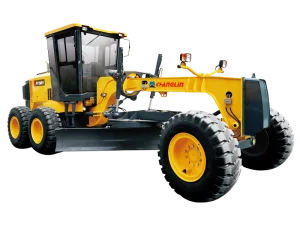
| Heavy Motor Grader (PY Series) | 15,000 - 24,000 kg | Moldboard Shearing & Leveling Blade | Haul Road Maintenance, Slope Shaping | Blade Pull Force, Cutting Depth Precision |
The Chinese Supply Chain Advantage for Global Machinery Procurement
How state-of-the-art manufacturing clusters in Changzhou deliver unprecedented TCO value for heavy machinery buyers.
Sourcing directly from an established Buy Wheel Compactor Manufacturer in China, such as Sinomach-HI (Changlin heavy-machinery manufacturing base in Changzhou), offers global procurement managers a distinct competitive edge. China’s construction machinery industrial ecosystem has matured into a global center for structural integrity, hydraulic innovation, and cost optimization.
Vertical Integration & Steel Supply Precision
By leveraging direct access to top-grade Chinese steel mills (producing high-strength structural plates and abrasion-resistant alloys), OEM factories minimize raw material lead times and eliminate third-party markup. Complete control over robotic welding, plasma cutting, and CNC machining guarantees unit-to-unit consistency.
Global Component Co-Engineering
Chinese OEM manufacturing leaders integrate globally recognized component brands—such as Cummins and Weichai engines, Danfoss and Rexroth hydraulic pumps, and ZF transmissions—ensuring that field service mechanics across South America, Africa, Central Asia, and Southeast Asia can source maintenance parts locally with ease.
Superior Total Cost of Ownership (TCO)
Equipment buyers realize a 25% to 40% reduction in upfront capital outlay (CapEx) when purchasing China-manufactured heavy machinery compared to Western equivalents, without compromising structural longevity, warranty terms, or hydraulic peak pressure performance.
Localization Support, Global Standards & Compliance Guarantee
Ensuring seamless site integration across diverse climate extremes, regulatory frameworks, and duty cycles.
Deploying heavy equipment into remote overseas job sites requires strict adherence to international safety certifications, regional emissions compliance, and custom environmental adaptations. Premium Chinese wheel compactor manufacturers operate structured customization engineering programs before machines leave the factory floor.
1. Environmental & Emission Compliance Options
Depending on the destination country, machine power plants can be configured to match local environmental regulations:
- Strict Emission Zones (EU & North America): Fitted with Tier 4 Final / Stage V engines utilizing Selective Catalytic Reduction (SCR), Diesel Particulate Filters (DPF), and AdBlue/DEF injection systems.
- Developing Markets (Africa, CIS, LATAM): Configured with Tier 2 or Tier 3 mechanical/common-rail engines highly resistant to varying local fuel sulfur levels and high-dust working environments.
2. Severe Climate Engineering Adaptations
High-Altitude & Alpine Operations
For mining and road projects in the Andean plateau or Central Asian mountain ranges (3,000+ meters above sea level), engines are fitted with high-efficiency turbochargers and modified ECU fuel mapping to prevent power derating caused by thin air density.
Arctic & Sub-Zero Winter Kits
For CIS and Northern European sites facing temperatures as low as -40°C, compactors feature engine block pre-heaters, synthetic low-viscosity hydraulic oils, fuel line heating jackets, and double-glazed cab heating systems.
Desert High-Ambient Thermal Packages
Middle Eastern and North African job sites demand upgraded cooling radiators, oversized hydraulic oil coolers, multi-stage cyclone air pre-cleaners, and UV-reflective thermal cabin glass to withstand +55°C heat.
3. International Standard Compliance Matrix
Factory production lines comply with rigorous global quality management frameworks, including ISO 9001 for manufacturing quality, ISO 14001 for environmental management, and CE Marking for machine safety, electromagnetic compatibility, and noise emission thresholds.
Enterprise Sourcing: Managing Lifecycle Costs & Fleet Logistics
How procurement leaders evaluate Total Cost of Ownership (TCO) and optimize international shipping logistics.
For international EPC contractors, leasing houses, and government public works departments, purchasing heavy machinery like wheel compactors, excavators, dozers, and motor graders requires a long-term total cost perspective. CapEx represents only one part of the equation; operational expenditures (OpEx) dictate fleet profitability over a 10,000-hour service lifespan.
1. Consumable Wear-Part Life
Evaluation of replacement teeth, scraper bars, cutting edges, and hydraulic filters. Standardized component mounting allows rapid field replacement, minimizing machine downtime during planned maintenance intervals.
2. Fuel Burn Efficiency per Compacted Yard
Advanced load-sensing hydraulics and variable-displacement pumps ensure hydraulic power is supplied only when demanded, cutting hourly fuel burn by up to 12% compared to constant-flow legacy hydraulic systems.
3. Optimized Export Logistics
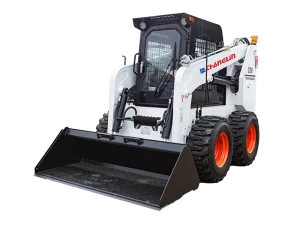
Heavy compaction equipment is pre-engineered for efficient marine shipping. Large models are prepared for Roll-on/Roll-off (RoRo) or Flat Rack transport, while compact machinery (like skid steers and small rollers) is dimensionalized for containerized shipping.
Industry Trends: The Next Generation of Compaction Technology
Smart fleet management, Intelligent Compaction (IC), and clean energy transitions in heavy construction.
The compaction machinery landscape is undergoing rapid technological evolution driven by digitalization, automation, and ESG (Environmental, Social, and Governance) mandates. Buyers evaluating top manufacturers should consider how OEMs integrate future-proof technologies:
Intelligent Compaction (IC) & GPS Mapping
Integrated accelerometer sensors measure real-time soil stiffness (Stiffness Value / CMV) during compaction passes. Combined with high-precision RTK-GPS mapping, operators can view pass-count heatmaps inside the cab, eliminating over-compaction and under-compacted weak spots.
Electrification & Hybrid Powertrains
Zero-emission electric wheel loaders and compactors equipped with lithium iron phosphate (LFP) battery banks are changing indoor, tunnel, and urban landfill operations. Electric drives offer instant torque delivery, lower operating noise, and dramatically reduced maintenance costs.
IoT Telematics & Remote Diagnostics
Onboard telematics send real-time diagnostic trouble codes (DTC), fuel consumption analytics, location tracking, and hydraulic temperature telemetry to central dispatch operations, facilitating proactive fleet maintenance schedules.
Localized Application Scenarios & Engineering Case Studies
How specialized compaction equipment operates across key industrial job sites.
1. Municipal Solid Waste (MSW) Landfills
Four-wheel landfill compactors (such as the GYL203 series) feature heavy steel wheels equipped with high-density tamping feet and alignment stripper bars. They shred bulky refuse, crush hollow containers, and compact waste into tight cells, increasing site density up to 1.1 tonnes/m³ and significantly extending landfill operational lifespan.
2. Highway & Airport Sub-Base Foundations
Smooth-drum and padfoot vibratory rollers work alongside heavy motor graders (PY190H, PY240H) to spread and compact coarse soils, gravel, and crushed stone lifts. Reaching 98%+ Modified Proctor Density ensures long-term resistance to heavy traffic rutting and water infiltration.
3. Mining Tailing Dams & Open-Pit Haul Roads
Heavy crawler excavators (ZG365, ZG220N) and dozers (YD220) collaborate with mining graders to maintain smooth haul roads. Efficient haul road compaction directly reduces haul truck tire wear, reduces rolling resistance, increases travel speeds, and cuts total mine logistics costs.
Frequently Asked Questions (FAQ)
Detailed technical and commercial answers for equipment importers, contractors, and fleet buyers.
Explore Our Complete Heavy Machinery Fleet
Complete earthmoving, loading, grading, and compaction solutions available factory-direct.




Partner with a Leading China Machinery Manufacturer
Request direct technical datasheets, full line catalogs, factory-direct FOB/CIF pricing, and customized equipment configuration reviews for your upcoming project.