
Featured Heavy Machinery & Compact Fleet Units (Part 1)
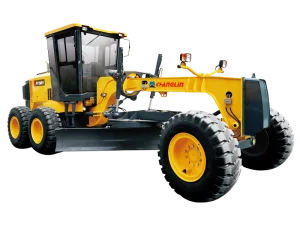
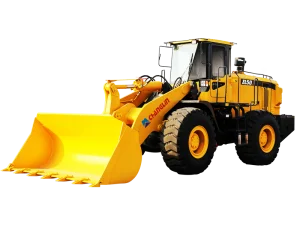
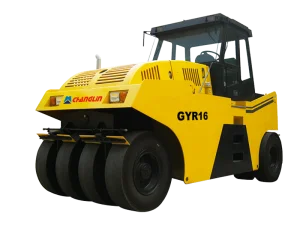
Explore direct-from-factory earthmoving, grading, and compaction machinery solutions deployed across global infrastructure and commercial projects.





The 4 Tonne Excavator Landscape: Global Demand & Macro Trends
The global compact construction machinery sector is undergoing a structural transition. Within the 3.5 to 4.5-tonne operating weight class, the 4 Tonne Excavator has emerged as the definitive "sweet spot" for civil contractors, municipal work crews, agricultural operators, and equipment rental providers worldwide.
Historically, market demand was split between lightweight micro excavators (<2.5 tonnes) and mid-sized utility crawlers (6–8 tonnes). However, evolving urban infrastructure demands, tight space restrictions in residential redevelopment, and strict highway trailering weight limits have repositioned the 4-tonne hydraulic excavator as a highly versatile asset. Industrial buyers no longer view mini excavators merely as trenching tools; they demand heavy-duty performance, advanced hydraulic auxiliary flows for complex work tools, and maximum operator ergonomics packaged within a towable profile.
From a macroeconomic perspective, government investments in urban utility upgrades (fiber optics, water main replacement, and EV charging grid expansions) across North America, Europe, and Asia-Pacific have accelerated fleet replenishment cycles. Furthermore, high interest rates and capital expenditure discipline have forced commercial buyers to prioritize Total Cost of Ownership (TCO) over brand premium overheads. This shifts global procurement attention toward top-tier Chinese original equipment manufacturers (OEMs) and smart factories capable of delivering Tier 4 Final / EU Stage V compliant machines at a 25% to 40% capital savings ratio without compromising structural durability or hydraulic control precision.
Technical Architecture of Modern Chinese 4-Tonne Crawlers
What differentiates high-tier Chinese 4-tonne excavators from generic market offerings? The answer lies in key subsystem integration: powertrain optimization, load-sensing hydraulics, zero-tail swing physics, and structural metallurgy.
1. Powertrain & Emission Compliance
Leading Chinese factories standardise engine integration using world-class powertrains such as Yanmar (e.g., 4TNV88/4TNV84T), Kubota (V2403), or Perkins diesel engines, combined with customized ECU mapping. These powertrains deliver high low-end torque while strictly adhering to EPA Tier 4 Final and EU Stage V emission mandates, featuring integrated DPF (Diesel Particulate Filter) and DOC systems for low emissions inside urban clean zones.
2. Load-Sensing Hydraulics (LSDS)
Modern 4-tonne units utilize closed-center load-sensing hydraulic systems (LSDS) powered by variable displacement axial piston pumps (e.g., Rexroth, Hengli, or Kawasaki). This matches hydraulic oil flow precisely to operator joystick inputs regardless of load, reducing fuel consumption by up to 15% and preventing hydraulic stalling during multi-function boom, arm, and swing operations.
3. Zero-Tail Swing (ZTS) Design
True Zero-Tail Swing (ZTS) enables the upper structure counterweight to rotate entirely within the track width. Chinese engineering facilities employ finite element analysis (FEA) to balance the machine’s center of gravity, placing heavy structural counterweights low down to ensure side-slope stability during full bucket reach without widening the frame footprint.
| Technical Parameter | Standard Market Specification | High-Spec China OEM Benchmark | Operational Impact |
|---|---|---|---|
| Operating Weight | 3,700 kg – 3,900 kg | 4,050 kg – 4,200 kg | Higher ground pressure stability & digging depth capacity |
| Hydraulic Main Pump Flow | 85 – 95 L/min | 110 – 128 L/min (Dual Auxiliary) | Runs high-flow attachments (mulchers, planers) without overheating |
| Bucket Digging Force | 30 – 34 kN | 38 – 44 kN | Easier penetration into hard clay, shale, and fractured rock |
| Undercarriage Build | Standard welded box frame | X-frame robotic cast steel structure | Resists torsional stress during heavy side-slope dozing |
| Cab Noise Level (LpA) | 78 – 82 dB(A) | ≤ 74 dB(A) Pressurized FOPS/ROPS | Reduces operator fatigue over 10-hour work shifts |
China Industry 4.0: Manufacturing Excellence & Supply Chain Resilience
The international reputation of Chinese machinery manufacturers has evolved significantly. Top manufacturing clusters—such as Changzhou, Jiangsu, and neighboring industrial hubs—have pioneered smart factory infrastructure that redefines earthmoving equipment quality and delivery speed.
- Automated Robotic Welding Cells: Fully automated Panasonic and ABB robotic arms execute 100% of boom, arm, and chassis seam welding under ultrasonic flaw detection (UT) standards, eliminating structural weak points.
- Vertical Supply Chain Cluster Advantage: Within a 50-kilometer radius of major manufacturing parks in Jiangsu, factories source high-grade steel plates (BaoSteel), hydraulic valves, precision cylinders, and wiring harnesses. This localized cluster minimizes lead times and insulates international buyers from global supply shocks.
- Standardized Hydrostatic & End-of-Line (EOL) Testing: Every 4-tonne excavator undergoes automated multi-hour stress testing: high-pressure hydraulic leak checks, track tensioning verification, thermal imaging under maximum torque load, and tilt-table angle testing.
- Modular OEM/ODM Engineering Customization: Industrial platforms allow buyers to configure cab vs. canopy options, rubber tracks vs. steel tracks with pads, extended arm lengths, custom color schemes, and specialized auxiliary hydraulic valving at the factory assembly level.
Enterprise Buying Intent: What Commercial Fleet Buyers Prioritize
Based on user intent mining and global procurement analytics across B2B equipment channels, fleet buyers of 4-tonne excavators split into three distinct categories, each with unique priorities:
Equipment Rental Companies
Primary Intent: Durability, simple maintenance, high resale value, intuitive control layout.
Rental fleets demand foolproof operator interfaces, robust auto-idle functions to save fuel, quick-change track systems, and durable ROPS cabs that withstand novice driver misoperations.
Civil Infrastructure Contractors
Primary Intent: High breakout force, auxiliary hydraulic precision, zero-tail swing capability.
Contractors working in urban environments need precise proportional joysticks to operate hydraulic breakers, augers, and tiltrotators alongside buried gas and fiber lines without damaging adjacent structures.
Agricultural & Landscaping Enterprises
Primary Intent: Low ground pressure, versatile attachment compatibility, easy transport.
Agribusinesses look for smooth dozer blade grading performance, rubber track options to preserve turf, and machine weights low enough to tow behind standard commercial pickup trucks with dual-axle trailers.
The Total Cost of Ownership (TCO) Equation
When calculating the true operational cost of a 4 Tonne Excavator over a 5-year (5,000-hour) lifecycle, capital purchase price accounts for only ~35% of overall expenditure. Chinese Tier-1 OEM units optimize the remaining 65% through:
- Fuel Efficiency: Auto-deceleration and load-sensing main valves lower average burn rates to 3.2 – 3.8 L/hour.
- Parts Availability & Price Parity: Universal replacement filters, seals, and pins cut routine service costs by up to 50% compared to traditional Western brands.
- High Residual Value: Structural reliability and standard international component integration maintain strong second-life resale values on international secondary markets.
Localized Application Scenarios & Work Tool Systems
A 4-tonne excavator's earning capacity is directly tied to its attachment flexibility. High-end Chinese manufacturers design their machines with dual-way high-flow auxiliary hydraulics and proportional cab controls to seamlessly handle a wide range of tasks.
Urban Utility Trenching & Foundation Work
Equipped with narrow trenching buckets and hydraulic thumbs, 4-tonne crawlers perform precise footings, drainage installs, and electrical conduit laying along cramped city streets. The zero-tail swing design ensures the cab never extends into active traffic lanes.
Road Rehabilitation & Asphalt Demolition
By pairing high-flow auxiliary lines with heavy hydraulic breakers (silenced type), the machine can easily fracture 200mm reinforced concrete slabs and asphalt layers, serving as a key support unit for motor graders and road rollers in road reconstruction.
Forestry, Land Clearing & Agriculture
Using hydraulic mulching heads, wood grapples, or earth augers, 4-tonne excavators clear brush, install fencing posts, dig irrigation ditches, and manage orchard trees with minimal soil compaction.
Slope Maintenance & Riverbank Dredging
With an extended boom and arm configuration coupled with a wide hydraulic tilting bucket, operators easily grade steep embankment slopes, clean drainage ditches, and maintain canal walls without repositioning the undercarriage tracks.
Strategic Sourcing: How to Audit Chinese Excavator Factories
For international machinery dealers, state-owned enterprises, and fleet contractors, establishing a reliable OEM manufacturing relationship requires rigorous supplier qualification. Follow this 4-step auditing framework:
Verify Engineering Certifications
Ensure the manufacturer holds valid ISO9001 quality management system certification, ISO14001 environmental management, and full CE machinery directive compliance. Request certified test reports for cabin ROPS/FOPS structural safety standards.
Audit Component Supply Chains
Confirm the origin of core components. Tier-1 Chinese factories openly publish bill-of-materials (BOM) specs stating the exact brand and series of hydraulic pumps, travel motors, swing gearboxes, and main control valves.
Inspect Testing Facilities
A premier excavator factory must operate on-site dynamic testing grounds featuring mud pits, 30° climbing slopes, obstacle courses, and automated hydraulic oil cleanliness analysis labs (NAS Class 7 or better).
Review Global After-Sales Support
Evaluate the manufacturer's global logistics support: fast spare-parts dispatch SLAs, online diagnostic software access, dealer training programs, and regional service center coverage.
Featured Heavy Machinery & Compact Fleet Units (Part 2)
Discover additional specialized earthmoving, excavation, compaction, and skid steer loader solutions designed for global export.








Frequently Asked Questions: Sourcing 4 Tonne Excavators from China
Get direct, technical answers to common questions asked by international fleet managers, dealers, and engineering procurement heads.