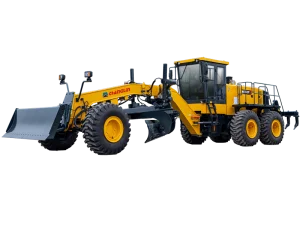
Industrial Equipment Portfolio (Series I)
Factory-direct earthmoving machinery, compaction equipment, and heavy hydraulic attachments built to international ISO/CE OEM standards.






Global Excavator & Breaker Machine Market Analysis
How Chinese heavy machinery manufacturers are revolutionizing high-impact rock crushing, primary quarrying, and hydraulic demolition through metallurgical innovation and smart fluid dynamics.
Electro-Hydraulic Efficiency Trends
Modern hydraulic breaker machines demand precise power synchronization with the excavator’s main pump system. Leading Chinese factories have integrated dual-speed auto-shift hydraulic control valves that dynamically adjust kinetic strike energy based on rock hardness (MPa resistance), reducing fuel consumption by up to 18% per operating hour.
Silenced Box-Type Housing Demand
Driven by stringent urban environmental directives across North America, Europe, and Asia-Pacific, over 65% of international procurement queries now specify fully enclosed noise-suppressed box breakers equipped with high-density polyurethane dampers to mitigate acoustic impact and structural vibration.
IoT Telematics & Wear Sensing
Next-generation excavator breaker machines produced in China feature integrated wireless stroke counters, operating temperature sensors, and pressure transducer ports. Fleet managers can monitor hammer strike frequencies in real-time to prevent destructive blank firing and schedule predictive maintenance cycles.
Hydraulic Breaker Machine to Excavator Tonnage Matching
Selecting the correct hydraulic hammer attachment requires analyzing oil flow rate (L/min), relief pressure (bar), impact energy (Joules), and carrier operating weight to prevent hydraulic cavitation and chassis fatigue.
| Excavator Weight Class | Recommended Breaker Class | Operating Pressure (bar) | Oil Flow Rate (L/min) | Chisel Diameter (mm) | Impact Energy Range | Primary Applications |
|---|---|---|---|---|---|---|
| Mini / Compact (1.5 - 5.0 Ton) | Light Utility Hammer | 90 - 120 bar | 25 - 50 L/min | 45 - 68 mm | 400 - 900 Joules | Urban trenching, sidewalk removal, utility excavation |
| Medium Carrier (12 - 20 Ton) | Mid-Range Heavy Duty | 130 - 170 bar | 80 - 140 L/min | 100 - 135 mm | 2,500 - 4,500 Joules | Building demolition, road reconstruction, soft rock quarrying |
| Heavy Production (21 - 35 Ton) | High-Impact Rock Breaker | 160 - 180 bar | 150 - 210 L/min | 140 - 165 mm | 5,500 - 8,500 Joules | Hard rock excavation, trenching, reinforced concrete breaking |
| Mining Class (36 - 90+ Ton) | Ultra-Heavy Mining Hammer | 170 - 210 bar | 220 - 380+ L/min | 175 - 210+ mm | 10,000 - 18,000+ Joules | Open-pit mining overburden, primary rock splitting, slag pit breaking |
Nitrogen (N2) Cushion vs. Pure Hydraulic Technology
Chinese excavator breaker factories manufacture two main kinetic power systems:
- Gas-Assisted Hydraulic Breakers: Utilize an upper N2 gas chamber to store recoil kinetic energy, increasing piston velocity and lowering hydraulic flow demands on older excavator pumps.
- Pure Hydraulic Breakers: Rely on internal fluid distribution valves to maintain high frequency strike consistency, ideal for underwater demolition and heavy continuous mining where gas leakage risks must be eliminated.
Advanced Anti-Blank Firing (ABF) Protection
Blank firing occurs when an excavator breaker strikes without firm contact against solid material, causing destructive stress waves through the tie rods, piston, and front head. Our factory integrates hydraulic pressure cushion valves that automatically idle the hammer movement if load resistance drops below baseline thresholds.
Factory Metallurgical Standards & Structural Integrity
The structural lifespan of a breaker machine depends directly on alloy steel selection, vacuum heat treatment, and precision CNC grinding tolerances.
20CrMo / 40CrMo Forged Alloys
Front heads, cylinders, and main pistons are forged from high-density vacuum-degassed structural alloy steel, providing high tensile strength (≥ 1200 MPa) and impact toughness.
Carburizing Heat Treatment
Pistons undergo deep computerized carburizing and quenching processes, achieving a surface hardness of 58-62 HRC while maintaining a resilient, shock-absorbing core structure.
NOK / Parker Dual Seal Kits
Equipped with premium Japanese NOK oil seals and Parker step-seals capable of enduring extreme thermal conditions (-30°C to +120°C) and hydraulic surge pressure up to 250 bar.
Ultra-Precision Machining
Cylinder bores and piston outer diameters are finished on Japanese horizontal CNC honing machines to within 3-micron tolerances, eliminating hydraulic bypass blow-by.
Heavy Industry Solutions & Operational Deployment
Configuring breaker machine excavators for tough operational environments—from sub-zero mining sites to high-heat desert quarrying and underwater bridge pier removal.
Mining & Open-Pit Quarrying
Primary rock breaking in granite, basalt, and limestone mines requires heavy-class excavators (35-90 Tons) fitted with wedge or moil point chisels. Our heavy-duty breakers deliver high per-blow kinetic Joules to fracture oversized boulders, bypassing expensive primary explosives blasting.
Civil Infrastructure & Demolition
Demolishing reinforced concrete bridges, highway overpasses, and urban structures requires precise strike frequency and minimal vibration transfer back to the excavator arm boom. Box-silenced models combined with quick-coupler systems ensure rapid attachment swaps on site.
Underwater & Marine Dredging
Fitted with compressed air supply ports and anti-corrosion marine seal assemblies, our hydraulic breaker attachments operate reliably underwater for harbor deepening, sea-wall excavation, and submarine bedrock fragmentation without water entering the strike cylinder.
Enterprise Sourcing & Procurement Evaluation
How international procurement directors minimize lifetime cost-per-ton broken by evaluating direct factory pricing, spare parts availability, and structural durability.
Direct China Factory Sourcing Advantages
By partnering directly with an established Chinese heavy equipment manufacturer, global buyers eliminate intermediary distributor markups while securing custom OEM modifications. Key procurement benefits include:
- Customized mounting brackets, pin diameters, and center-to-center dimensions for any excavator brand (Caterpillar, Komatsu, Sany, XCMG, Volvo, Hitachi).
- Complete kit shipments including high-pressure hydraulic hoses, pedal valves, N2 charging bottles, toolkits, and dual chisels.
- Scalable production lines capable of fulfilling bulk dealer and government fleet tenders within 15 to 25 days.
Lifetime Wear-Parts Cost Breakdown
Operating costs over a 5,000-hour service lifespan are primarily driven by wear components. Our factory provides standardized, high-durability replacement parts to keep operational overhead predictable:
- Chisels (Moil, Wedge, Blunt): Induction-hardened forged alloy engineered for low wear rates per 1,000 strikes.
- Wear Bushings (Inner/Outer): High-tin bronze or hardened steel alloys with internal grease grooves for sustained lubrication.
- Tie Rods / Side Bolts: Cold-rolled thread studs designed to absorb constant tensile recoil load.
Global Quality Certification & Technical Support
Strict adherence to international machinery standards ensures seamless customs clearance, job-site compliance, and reliable aftermarket field service.
ISO 9001 & CE Compliance
All manufacturing operations strictly follow ISO 9001:2015 quality management and ISO 14001 environmental protocols. Breakers exported to European and American markets bear verified CE Machinery Directive certifications.
Ultrasonic & Hydraulic Testing
Every piston and cylinder housing undergoes ultrasonic non-destructive testing (NDT) to inspect for microscopic internal fractures prior to a 100% factory hydraulic pressure testing protocol.
Global After-Sales Warranty
Backed by an extensive global spare parts stocking network and standard 12-to-18-month warranty coverage on major structural components (cylinders, front heads, and pistons).
Technology Roadmap: Future Outlook
Anticipating the next decade of hydraulic breaking innovation: zero-emission electrification, smart auto-greasing, and autonomous rock demolition robotics.
Auto-Greasing Systems
Factory integration of automatic central lubrication pumps mounted inside breaker housings, delivering continuous high-temp copper grease to bushings during strike cycles.
Smart Telematics Integration
Standardizing Bluetooth & 5G IoT sensors on breakers to stream oil pressure spikes, operating heat, and cumulative impact strike counts directly to cloud fleet management platforms.
Electric Excavator Matching
Optimizing ultra-low hydraulic flow resistance valves specifically designed to maximize working hours on modern battery-electric (EV) excavators and zero-emission carriers.
Autonomous Demolition AI
AI-guided camera feedback loops that identify structural stress lines in rock faces or concrete walls, dynamically adjusting impact position and blow force autonomously.
Frequently Asked Questions by Fleet Directors
Clear engineering and operational answers to common inquiries regarding excavator breaker machine sourcing, hydraulic compatibility, and field maintenance.
How do I determine the correct hydraulic breaker size for my excavator?
Matching a breaker machine requires verifying three key excavator parameters: operating weight (tonnage), hydraulic pump oil flow rate (L/min), and main relief valve pressure (bar or PSI). The breaker's operating weight should typically equal approximately 8% to 11% of the excavator’s total operating weight to preserve machine stability and structural equilibrium.
What is the difference between Moil, Wedge, and Blunt breaker chisels?
Moil points are ideal for general concrete demolition and multi-directional soft rock breaking; Wedge (flat) chisels excel at trenching, rock splitting, and controlling fracture lines in layered sedimentary rock; Blunt tools deliver heavy shockwave compression to break massive hard rock or slag boulders without penetrating prematurely.
How often should the nitrogen gas (N2) pressure be checked in the accumulator?
Nitrogen pressure should be inspected weekly or every 50 operating hours using an N2 charging kit gauge. Maintaining correct N2 pressure ensures maximum kinetic strike energy and protects the internal hydraulic piston from recoil vibration damage.
What installation accessories are included with a factory hydraulic breaker order?
Standard factory export shipments include the hydraulic breaker body, mounting adapter bracket, two forged chisels, two high-pressure hydraulic hoses, a nitrogen charging bottle with pressure gauge, an emergency seal kit, and a heavy-duty maintenance toolkit in a steel box.
Can Chinese hydraulic breakers be retrofitted to non-standard excavator brackets?
Yes. As an OEM manufacturer, our engineering team custom-machines upper mounting top plates to match exact pin diameter, arm width, and center distance specifications for any excavator model or quick-hitch coupler system worldwide.
What preventative measures prevent hydraulic oil contamination during breaker operation?
Always replace excavator return line hydraulic filters every 250 breaker hours, clean quick-disconnect couplers before attachment, and ensure continuous greasing of the chisel bushing to prevent metal shavings from entering the hydraulic fluid circuit.
Industrial Equipment Portfolio (Series II)
Heavy crawler excavators, high-capacity wheel loaders, and precision motor graders engineered for global mining and construction sites.