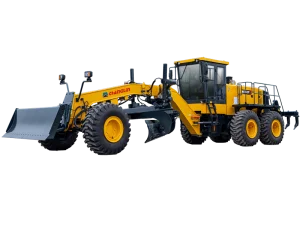
Primary Earthmoving & Construction Fleet Lineup
Explore factory-direct crawler excavators, heavy-duty wheel loaders, motor graders, and road machinery engineered with optimized bucket capacities and high breakout forces.








Executive Overview: Decoupling Bucket Capacity Engineering & China Supply Chain Dominance
In modern heavy infrastructure, earthmoving economics depend directly on volumetric efficiency, fill factors, cycle times, and material density matching. Choosing the right China bucket capacity manufacturer is no longer just about buying steel—it is an engineering optimization strategy.
Understanding Volumetric Standards: Struck vs. Heaped Capacity
Evaluating bucket volume requires distinguishing between Struck Capacity (the theoretical volume of material contained within the bucket outline without overflow) and Heaped Capacity (the total volume including the heap resting on top at a standardized angle of repose, typically 1:1 or 2:1 according to ISO 7451 and SAE J296 standards). Chinese manufacturing centers utilize precise Finite Element Analysis (FEA) to maximize the heaped retention ratio while minimizing structural tare weight.
The Operational Math: Match Factor & Cycle Time Optimization
Operating an under-sized or over-sized bucket directly impacts machine longevity and fuel consumption. An oversized bucket filled with high-density wet clay (1.9 t/m³) overloads hydraulic pumps and induces premature slewing ring fatigue. Conversely, an under-sized bucket on a 36-ton excavator (e.g., ZG360 series) increases pass counts per haul truck loading, increasing site idle times and operational expenditures (OPEX).
Advanced Metallurgy & Bucket Architecture Engineering
Chinese OEMs lead global fabrication by integrating specialized wear-resistant steel alloys with optimized geometric profiles, ensuring maximum payload per pass under extreme abrasive forces.
| Bucket Category | Material Density Range | Key Steel Metallurgy | Typical Applications | ISO Fill Factor |
|---|---|---|---|---|
| General Purpose (GP) | 1.2 – 1.6 t/m³ | Q355B / Q460 High-Strength Steel | Topsoil, sand, loose earth, dry clay excavation | 100% – 110% |
| Heavy Duty (HD) | 1.5 – 1.9 t/m³ | NM400 / HARDOX 450 wear plates | Compact soil, gravel, blasted limestone, clay | 95% – 105% |
| Severe Duty Rock (HDR) | 1.8 – 2.4 t/m³ | HARDOX 500 / Weldox 700 lip & side cutters | Open-pit mining, granite, iron ore, basalt quarrying | 90% – 100% |
| Skeleton / Sieve | Varies by screen size | Q460 structural grid + wear strips | Demolition sorting, primary rock screening | N/A (Screening) |
| High-Tip Loader Bucket | 0.8 – 1.4 t/m³ | Lightweight High-Tensile Structural Alloy | Coal handling, woodchips, waste recycling yards | 110% – 120% |
Finite Element Analysis (FEA)
Using 3D CAD modeling and computer-simulated stress distribution, Chinese factories identify torque hot-spots along the bucket heel, ear plates, and side-cutters. Structural rib reinforcement is placed specifically where torsional forces concentrate during curling vector loads.
Ground Engaging Tools (GET)
Modern factory buckets incorporate modular tooth systems (e.g., Cat J-series style, ESCO Ultralok, or proprietary pin-on tooth adapters). Reinforced lip shrouds and heel shrouds prevent wear on base metals, drastically lowering bucket rebuild expenditures over 10,000 operational hours.
Kinematic Digging Geometry
Bucket opening radius, curl angle, and pin center distance determine hydraulic penetration force. Optimized bucket profiles lower friction resistance during insertion into tightly compacted materials, dropping instant hydraulic pressure spikes and saving up to 8% in engine fuel burn.
Localized Application Scenarios & Field Operational Profiles
From sub-zero Arctic pipeline projects to high-abrasion tropical open-pit copper mines, bucket capacity specifications must adapt to climate, altitude, and geological challenges.
1. Open-Pit Hard Rock Mining (CIS & South America)
In high-tonnage mining environments (such as copper mines in Chile or coal fields in Kazakhstan), excavators like the ZG380 or ZG365 utilize heavy-duty rock buckets (2.0 to 2.4 m³) equipped with full HARDOX 500 bottom wear strips and delta-v edge lips. Reduced bucket length shortens the load center distance, boosting tear-out force for fractured granite loading.
2. Urban Trenching & Utility Laying (Middle East & SEA)
Narrow trench excavation requires specialized trapezoidal or narrow trench buckets (0.4 to 0.9 m³) attached to medium crawlers like the ZG210D. Smooth side plates prevent trench wall collapse, while precise bucket width minimizes over-excavation, reducing expensive backfill aggregate volumes.
3. High-Capacity Bulk Material Handling (Ports & Plants)
Handling low-density materials like agricultural grain, wood pellets, or pulverized coal in logistics ports demands ultra-large light-material buckets (3.5 to 6.0 m³) on wheel loaders like the ZL50Z or electric ZL50EV. These buckets feature high rollback angles to eliminate material spillage during high-speed transit across yards.
4. High-Altitude & Sub-Zero Permafrost Earthworks
Operating at temperatures below -30°C in high-altitude environments (e.g., Central Asian mountain corridors) subjects bucket welds to brittle fracture risk. Chinese manufacturers utilize low-temperature alloy steels (e.g., Q345E with impact toughness certified down to -40°C) and pre-heated robot welding procedures to ensure weld bead elasticity under severe impact stress.
5. Marine Harbor Dredging & Saline Coastal Engineering
Submerged coastal excavation demands anti-corrosive epoxy polyurethane paint treatments, stainless steel greasing pins, and sealed internal mud-clearing scrapers. Bucket volume calculations account for water displacement and slurry density variations (typically 1.4 to 1.7 t/m³) to avoid hydraulic torque stall during hoisting.
China Factory Supply Chain Resilience & Manufacturing Efficiency
The Changzhou/Jiangsu machinery cluster provides an unmatched ecosystem—integrating raw steel production, advanced robotic welding, precision CNC machining, and direct export logistics under one unified supply chain framework.
Robotic SAW & Laser Cutting
High-precision 12kW fiber lasers cut thick steel plates with sub-millimeter accuracy. Multi-axis robotic submerged arc welding (SAW) yields uniform weld seam penetration, eliminating human thermal variation flaws and guaranteeing zero internal porosity.
Scale Economies & Raw Material Access
Direct industrial partnerships with tier-one domestic steel mills (e.g., Baosteel, Ansteel) guarantee steady access to specialized wear-resistant and high-tensile plate stock. Bulk procurement delivers 25% to 40% cost advantages compared to European or North American fabricators.
Rigorous Pre-Shipment Quality Testing
Every bucket assembly undergoes non-destructive ultrasonic flaw detection (UT) along main load welds, pin-hole alignment laser measurements, and hydraulic pressure testing for tilt/clamshell buckets prior to export packaging.
Technical Roadmap & Future Outlook: Next-Generation Earthmoving Attachments
The next decade will shift bucket manufacturing from passive steel fabrications to dynamic, sensor-integrated smart systems optimized for digital job sites and autonomous fleets.
1. IoT-Enabled Payload Monitoring & Telematics
Integrating wireless load pins and optical density sensors directly into the bucket linkage enables real-time payload weighing. Operators receive instant cabin display feedback on exact payload weight per pass, preventing highway overweight violations on haul trucks and maximizing fleet cycle productivity.
2. Biomimetic & Computational Fluid Dynamics (CFD) Profiles
AI-assisted structural algorithms design curved side-plates and streamlined heel shapes inspired by fluid dynamic principles. These profiles reduce soil adhesion and friction resistance during dumping, accelerating sticky material unloading times by up to 15%.
3. Hybrid Composite Metallurgy & Ultra-Light Materials
Next-gen buckets incorporate titanium-carbide overlay plates and lightweight carbon-composite shell structures in non-structural zones. This cuts total bucket deadweight by 18%, allowing a 20-ton excavator to swing a larger capacity bucket without sacrificing machine tipping stability.
4. Zero-Emission Integration with Electric Loaders
With the rapid market expansion of zero-emission wheel loaders (such as the ZL50EV), bucket designs are optimized for instant torque curves of electric drivelines. Quick hydraulic response times allow faster bucket tilt angles, maximizing battery charge operational endurance per shift.
Global OEM/ODM Customization, Quality Compliance & Support
We partner directly with overseas fleet contractors, heavy equipment dealers, and mining consortiums to deliver bespoke bucket geometry and specialized pin-to-pin mounting dimensions.
Custom Pin-to-Pin Fitment
We manufacture direct-fit buckets for all major global excavator brands (CAT, Komatsu, Volvo, Hitachi, SANY, XCMG) or customized quick-coupler ears (Verachtert, Lehnhoff, Miller, Nordic S-Type standards) to ensure zero pin play and immediate site drop-in integration.
International Certification
All bucket fabrications comply strictly with ISO 7451 (Volumetric Rating), ISO 6015 (Earthmoving Machinery - Hydraulic Digging Forces), CE Machine Safety Directive standards, and EAC certification requirements for seamless customs clearance across 180+ countries.
Full Logistics Engineering
Buckets are shipped via optimized containerized SKD/CKD methods, heavy-duty steel rack packaging, or Flat Rack/RoRo shipping for ultra-large mining buckets, preventing paint degradation or thread contamination during ocean transit.
Frequently Asked Questions (Technical & Sourcing FAQ)
Essential technical answers for equipment buyers, fleet managers, and procurement specialists selecting bucket capacity and heavy machinery attachments from Chinese factories.
How do I correctly match bucket capacity (m³) to my excavator operating weight?
Matching bucket capacity requires analyzing machine tipping load, hydraulic operating pressure, stick length, and target material density. For example, a standard 20-ton crawler excavator (like the ZG210D) typically operates efficiently with a 0.8 to 1.0 m³ bucket in standard density soil (1.6 t/m³). In high-density blasted rock (2.0 t/m³), the bucket volume should be downsized to 0.7–0.8 m³ heavy-duty rock bucket to prevent hydraulic relief valve blowing and machine tipping instability.
What is the difference between ISO 7451 and SAE J296 bucket capacity standards?
ISO 7451 and SAE J296 are international standards used to measure earthmoving bucket volumes. Both calculate Struck Capacity (internal volume) and Heaped Capacity (volume including material piled on top). The primary difference lies in how heap angle is evaluated: ISO 7451 specifies a 1:1 slope for excavator buckets and 2:1 for wheel loader buckets, while taking into account side plate retention geometry. Chinese export manufacturers provide certified ISO 7451 datasheets for precise volumetric auditing.
Why should buyers prefer HARDOX or NM400 steel over standard Q355 structural steel?
Standard Q355 structural steel has a Brinell hardness of around 150 HB, making it susceptible to rapid abrasive wear when handling crushed stone, quartz, or granite. Quenched and tempered wear plates like NM400 (400 HB) or HARDOX 450/500 (450-500 HB) deliver 3x to 5x higher yield strength and sliding wear resistance. Utilizing HARDOX for cutting lips, side cutters, and bottom wear runners significantly extends service life while allowing thinner plate design to reduce bucket tare weight.
Can Chinese factories manufacture custom buckets for non-standard quick couplers?
Yes. Chinese OEM manufacturers specialize in custom ear-plate engineering. By providing basic pin parameters—Pin Diameter, Arm Width (Dipper Gap), and Pin Center Distance—or CAD drawings of your quick coupler system (e.g., CW-series, S-type, Miller, Pin Grabber), the factory can custom-machine attachment brackets with sub-millimeter tolerances for direct drop-in site installation.
What lead times and shipping packaging options are available for bulk bucket orders?
Standard bucket model orders are typically manufactured within 15 to 25 days. Bulk dealer orders or specialized mining buckets take 30 to 40 days. Attachments are packed on steel skid frames with protective anti-rust coatings, grease-covered pin bushings, and heavy plastic shrink wrapping to withstand 45+ days of ocean shipping in humid sea environments.
How does electric wheel loader bucket design differ from traditional diesel loaders?
Electric wheel loaders (such as the ZL50EV) deliver instant full torque from zero motor RPM. Buckets engineered for electric loaders feature optimized floor geometry and lower initial penetration angle resistance to maximize payload loading efficiency without creating instant power spikes that drain battery reserves prematurely. Additionally, high-dump linkages are frequently integrated for material recycling applications.
Specialized Heavy Machinery & Earthmoving Lineup
Complete your operational machinery fleet with factory-direct skid steer loaders, heavy road rollers, mining motor graders, electric loaders, and heavy-duty bulldozers.