
Featured Construction & Heavy Earthmoving Equipment
Engineered for extreme duty cycles, maximum volumetric payload efficiency, and structural endurance under severe geological stress.

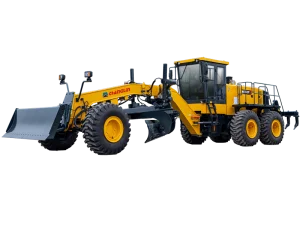





1. Macro-Industry Infrastructure & Global Material Handling Landscape
In the contemporary global heavy machinery matrix, bucket machinery serves as the ultimate kinetic interface between hydraulic power generation and geo-material extraction. As global infrastructure demands shift toward deeper open-pit mining, large-scale reclamation, high-density urban excavation, and rapid transport road building, the strategic imperative for high-performance, wear-resistant, and kinetically optimized bucket systems has never been higher.
China has evolved into the world's primary epicenter for industrial heavy machinery design, structural steel metallurgy, and advanced robotic assembly. Within leading manufacturing clusters—such as the Changzhou and Jiangsu industrial belts anchored by world-class OEM groups like Sinomach-HI (Changlin)—the manufacturing of bucket machinery has transitioned from traditional fabrications to high-precision, FEA-validated (Finite Element Analysis) mechanical assemblies.
Technical Insight: Modern bucket machinery efficiency is no longer calculated solely by physical volumetric capacity ($m^3$). It is dictated by the dynamic ratio of ground engagement penetration force, stress-dissipating structural geometry, and material wear-life cycles measured under severe abrasive friction (ASTM G65 standards).
Global commercial shifts demonstrate that Tier-1 civil contractors, mining corporations, and municipal fleets are systematically migrating toward Chinese direct-factory procurement. This shift is driven by three core economics: dramatic capital cost optimization, direct OEM customization capability for special geological formations, and rapid scalability of Ground Engaging Tools (GET).
2. Metallurgical Innovation & Kinematic Structural Mechanics
In-depth structural breakdown of advanced alloy steel selection, fatigue dissipation, and custom bucket typologies.
High-Tensile Quenched Alloy Steels
Modern Chinese bucket factories employ high-strength, low-alloy (HSLA) structural steels combined with quenched and tempered martensitic wear plates (Hardox 450/500, NM400/NM500 equivalents).
- Cutting Edge Yield Strength > 1200 MPa
- Side-Cutter Tensile Rating > 1000 MPa
- Impact Toughness Charpy V-Notch at -40°C
Kinetically Optimized GET Systems
Ground Engaging Tools (GET)—including teeth, adapters, lip shrouds, and heel shrouds—are hydro-kinetically styled to minimize drag force during initial cycle penetration.
- Hammerless Pin Retention Systems
- Self-Sharpening Penetration Profiles
- 15-20% Reduction in Hydraulic Breakout Power Loss
FEA Stress Distribution Analysis
Computerized Finite Element Analysis allows Chinese OEM engineers to identify high-stress concentration zones along welds and torque tubes prior to physical robotic fabrication.
- Multi-Pass Submerged Arc Welding (SAW)
- Ultrasonic Non-Destructive Weld Testing
- Elimination of Corner Stress Peak Fatigue Points
Specialized Heavy Machinery Bucket Typologies
Selecting the precise bucket typology directly influences hourly production tonnages, engine fuel burn, and hydraulic pump longevity. Modern Chinese manufacturers produce six core standardized and custom bucket classifications:
- Heavy-Duty Rock Buckets (HD/XHD): Fitted with thick bottom wear strips, side wear plates, and heavy shroud protection for blasted rock, granite, and abrasive iron ore handling.
- Skeleton / Riddle Buckets: Designed with grid-spaced steel ribs for separating boulders from fine aggregate during quarrying or land clearing.
- Mud & Ditching Buckets: Wide, flat-bottomed, toothless buckets with dual cutting edges designed for ditch cleaning, slope grading, and soft alluvial mud removal.
- Clamshell & Hydraulic Grab Buckets: Utilizing dual vertical hydraulic cylinders for deep-shaft digging, harbor dredging, and vertical caisson extraction.
- Tilt-Buckets (45° Articulation): Integrated with dual hydraulic swivel cylinders allowing precision shaping, bank grading, and batter trimming without repositioning the excavator tracks.
- High-Dump Loader Buckets: Equipped with bottom-mounted hydraulic push-cylinders allowing wheel loaders to discharge materials into high-sided mining trucks beyond normal dump clearance heights.
3. Global Commercial & Industrial Market Status
The international earthmoving equipment ecosystem is undergoing a major structural transformation. Historically dominated by Western and Japanese OEMs, the supply chain for heavy equipment attachments, excavators, motor graders, and wheel loaders has shifted heavily toward high-tier Chinese manufacturing conglomerates.
This shift is defined by several strategic economic factors:
Direct Factory OEM Sourcing vs. Tier-1 Distribution
Procuring directly from China factories eliminates multi-tiered distributor markups, reducing capital expenditure (CAPEX) by 30% to 50% without sacrificing structural integrity or hydraulic component reliability.
Total Cost of Ownership (TCO) Metrics
By optimizing bucket tare weight using high-strength steel alloys, fuel consumption per ton moved drops by up to 12%. When combined with readily available low-cost wear parts, total operational cost per hour drops dramatically.
Furthermore, Chinese factories like Sinomach-HI have established advanced international logistics channels, enabling bulk containerization, Flat-Rack container shipping, and specialized Roll-on/Roll-off (RoRo) transport for ultra-large mining equipment to over 180 countries.
4. Localization Support & Global Regulatory Compliance
Navigating international standards, hydraulic coupling interoperability, and field maintenance infrastructure.
International Certification Standard
Factory production lines comply fully with ISO 9001 quality management, ISO 14001 environmental protocols, and European CE Safety Directives for earthmoving machinery attachments (EN 474-1).
Universal Quick-Coupler Compatibility
Buckets and attachments are manufactured according to ISO 13031 safety standards for quick couplers, ensuring seamless mechanical and hydraulic pin-lock mating with CAT, Komatsu, Volvo, SANY, and Sinomach base machines.
Rapid Spare Parts Dispatch Network
Global service networks maintain local inventories of high-wear Ground Engaging Tools (teeth, pins, side-cutters, lip protectors) to ensure 24 to 48-hour emergency site replacement.
5. Field Deployments & Localized Application Scenarios
Engineered solutions adapted specifically for severe environmental and geological operating conditions.
Sub-Zero Cryogenic Mining (CIS & Nordics)
Operating in environments dropping below -40°C requires specialized steel formulation. Standard carbon steel experiences ductile-to-brittle transition, causing catastrophic weld fracture. Chinese cryogenic-grade buckets utilize nickel-alloyed high-toughness steel and specialized pre-heated welding techniques to maintain structural resilience.
Abrasive Silica & Quartz Quarrying (Middle East & Africa)
High-silica rock formations exert intense abrasive friction that destroys standard steel buckets within weeks. Deployment scenarios in these regions feature tungsten-carbide hardfacing overlays, full bottom abrasion-resistant grid plates, and heavy-duty mechanical shroud covers designed for ambient heat exceeding +50°C.
High-Altitude Hydropower Excavation (South America & South Asia)
In high-altitude mountain road-building and dam construction (>3,500m elevation), hydraulic efficiency drops due to atmospheric pressure differences. Custom lightweight high-volumetric buckets allow excavators and loaders to maintain payload cycle times without overburdening hydraulic pumps.
6. Technological Roadmap & Future Industry Outlook
The next decade of bucket machinery manufacturing will be governed by digital intelligence, electrification, and autonomous job-site integration. China's leading equipment factories are actively pioneering three major technology vectors:
1. IoT Telemetry & Smart Wear Sensing
Integration of wireless piezoelectric impact sensors and thermal wear monitors embedded within bucket adapters and teeth. Real-time telemetry alerts fleet managers before tooth loss occurs, preventing catastrophic damage to expensive bucket lips.
2. Electrified Machinery Synergy
With the surge in zero-emission battery electric wheel loaders (such as the ZL50EV series) and electric crawler excavators, bucket geometry is optimized for instantaneous electric torque delivery, maximizing immediate dig forces.
3. AI Autonomous Digging Trajectories
Smart buckets fitted with 3D LiDAR target sensors and hydraulic pressure feedback systems. These allow AI-guided excavators to autonomously calculate soil resistance and adjust bucket curl angles for optimal filling factor every cycle.
7. Technical & Procurement Q&A (FAQ)
Expert answers regarding bucket machinery selection, customization, shipping logistics, and operational longevity.
How do I determine whether my application requires a General Purpose (GP) or Heavy Duty Rock (HD) bucket?
What steel grades are used by premier Chinese bucket machinery manufacturers?
Can Chinese bucket factories manufacture custom attachments for non-Chinese excavator brands?
What is the impact of bucket weight on total excavator fuel consumption and hydraulic life?
How are Ground Engaging Tools (GET) replaced during international field operations?
What quality assurance processes are conducted prior to factory export dispatch?
What shipping methods are recommended for heavy machinery and large bucket shipments?
What lead time should international buyers anticipate for OEM factory orders?
Additional Heavy Equipment & Specialized Attachments
Explore our full line of crawler excavators, motor graders, wheel loaders, compactors, and bulldozers direct from OEM production lines.







Partner with China's Premier Heavy Machinery OEM
Whether configuring a single specialized rock excavating bucket or procuring a comprehensive fleet of crawler excavators, motor graders, and electric wheel loaders, direct factory collaboration delivers unparalleled metallurgical precision, global compliance, and long-term cost advantages. Contact our engineering and global sales division today to request technical catalogs and custom project quotes.