
Featured Earthmoving & Digging Equipment
Factory-direct excavator models and heavy compaction units built for global engineering standards.


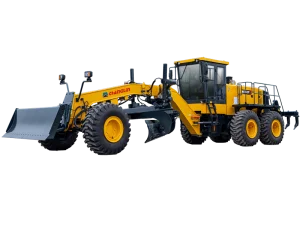





Global Shift in Earthmoving Equipment Sourcing
An analytical overview of structural shifts across the international heavy machinery supply chain, technological convergence, and economic realities.
Supply Chain Concentration
China has evolved into the world's most dense cluster for heavy machinery components. Major global OEMs now rely on Changzhou, Jiangsu, and surrounding hubs for precision hydraulics, boom castings, and planetary gear systems.
Electrification & Zero Emissions
The fast-track adoption of battery-electric wheel loaders and hybrid crawler diggers offers mining and urban infrastructure projects up to 60% savings on hourly fuel operational costs while eliminating localized carbon footprints.
TCO & Quality parity
Tier-1 Chinese equipment manufacturers like Sinomach-HI (Changlin base) deliver mechanical structural longevity, high resale values, and international parts compatibility equal to European and Japanese legacy brands at 30-40% lower capital outlay.
1. Evolution of China's Heavy Digger & Excavation Equipment Manufacturing
Over the past three decades, China's construction machinery industry has undergone a radical transformation. Moving away from low-cost assembly towards cutting-edge, Industry 4.0 automated manufacturing, facilities in regions like Changzhou, Jiangsu have integrated robotic welding cells, continuous heat-treatment furnaces, and real-time ultrasonic weld inspection. Chinese excavator and earthmoving OEMs have consolidated complete supply chains within a 100-kilometer radius of their primary assembly plants.
This geographic concentration means that critical sub-assemblies—such as main control valves, high-pressure hydraulic cylinders, heavy-duty undercarriages, and customized engine cooling packs—are produced with micro-tolerance precision. As a result, China's excavator manufacturers can execute custom engineering modifications, such as arctic cold-start kits, high-altitude turbocharger tuning, and reinforced rock booms, with unprecedented lead-time efficiency.
2. Macro Procurement Needs Across Global Engineering Sectors
Global procurement directors face diverse operational demands across regions. In Latin America and Sub-Saharan Africa, infrastructure contractors prioritize structural durability, fuel-tolerance for variable diesel quality, and simplified mechanical maintenance. Conversely, European and Middle Eastern operators mandate Tier 4 Final / Stage V emission compliance, integrated telematics, and ultra-low noise levels for urban utility work.
- Open-Pit Mining & Heavy Quarrying: Requires heavy crawler excavators (38T–50T+) with reinforced X-chassis frames, severe-duty rock buckets, and high-breakout force hydraulics to handle abrasive materials.
- Highway & Infrastructure Engineering: Requires high-precision motor graders equipped with multi-axis moldboard controls, tandem axles, and smooth road compaction rollers for maximum sub-base stability.
- Ports, Steel Mills & Material Logistics: Rapid adoption of electric wheel loaders capable of 8–10 hour continuous shifts with fast-charging technology, reducing operating expense per ton significantly.
- Municipal & Landfill Management: Demands specialized landfill compactors equipped with high-impact steel padfoot teeth, trash blades, and pressurized cab air-filtration systems.
China Factory 4.0: Supply Chain Resilience & Scale
Quantifiable operational efficiency and manufacturing capacity supporting global equipment orders.
Technical & Value Matrix: OEM Direct vs. Legacy Procurement
| Evaluation Metric | China Direct OEM (Sinomach-HI Platform) | Traditional Legacy Western Brands |
|---|---|---|
| Initial Capital Expenditure (CapEx) | Optimized Direct Factory Pricing (30-40% savings) | High brand premium & dealer markup overhead |
| Component Standardization | Global open-architecture (Kawasaki, Cummins, ZF) | Proprietary closed-source component locking |
| Custom Engineering Lead-Time | 4–6 weeks for thermal/altitude modification | 16–24 weeks custom factory order delay |
| Spare Parts Cost & Lead-Time | Factory-direct air-freight & global service hubs | High aftermarket part markups & regional lockouts |
| Telematics Integration | Standard GPS + Open API Fleet Monitoring | Subscription-gated software diagnostics |
Localized Jobsite Application Scenarios
Engineered configurations matching extreme geographic and working environments worldwide.
High-Temperature Mining & Desert Terrain
Equipped with oversized radiator cooling packages, dust-proof sealings, tropicalized hydraulic fluid formulations, and double-element intake filters for reliable performance in Middle Eastern and North African climates exceeding 50°C.
High-Altitude Alpine Operations
Configured with electronic fuel-injection engines featuring automatic altitude compensation turbos. Provides uncompromised engine torque output and hydraulic pump flow at elevations above 4,000 meters in Andean or Himalayan mining sites.
Extreme Cold & Sub-Zero Conditions
Specially modified with diesel pre-heating blocks, low-viscosity synthetic hydraulic lubricants, heated operator cabs, and cold-resilient rubber seals to handle winter operations across the CIS region and Nordic climates down to -35°C.
3. Total Cost of Ownership (TCO) & Total Fleet Efficiency Architecture
When selecting digger equipment and road construction machinery from Chinese factories, engineering management teams evaluate both direct and indirect operational costs. The Total Cost of Ownership formula encompasses initial purchase cost, fuel/energy consumption per hour, routine maintenance, wear parts replacement, and final residual value at the end of the machine's primary lifecycle.
By leveraging standardized global engine platforms (such as Cummins, Weichai, or Yuchai) integrated with premium hydraulic main valves (such as Kawasaki or Rexroth), Sinomach-HI machinery ensures that technicians worldwide can source consumable filters, seals, and routine repair components locally. This eliminates expensive machine downtime while keeping preventive maintenance costs predictable over a 5-year operational horizon.
Frequently Asked Questions (FAQ)
Expert answers to critical procurement, technical specification, and international shipping questions.
What are the key technical advantages of sourcing digger equipment from China factories?
How do Chinese excavator manufacturers ensure quality control before export?
What is the lead time for custom heavy equipment configurations?
What logistics options are available for shipping heavy earthmoving machinery globally?
How is spare parts support handled for overseas equipment fleets?
Can machinery be customized for specific regional emissions standards?
Additional Heavy Equipment Models
Explore additional specialized machinery for grading, landfill compaction, and road engineering.





Strategic Procurement Protocol for International Buyers
Step-by-step verification process when auditing Chinese digger manufacturers and equipment factories.
Step 1: Technical Spec Audit
Verify hydraulic main pump displacement (cc/rev), main relief valve pressure ratings (MPa), boom cylinder bore dimensions, and engine torque curves against working material density.
Step 2: Factory QA & Testing
Confirm factory accreditation (ISO 9001, CE, EAC), request non-destructive weld inspection logs, and mandate a minimum 4-hour full-load hydraulic thermal test before shipping clearance.
Step 3: Lifecycle SLA Agreement
Establish clear Service Level Agreements covering emergency spare parts dispatch window (within 48 hours), operator training manuals, and remote video diagnostic technician availability.
Planning a heavy machinery procurement order for your construction or mining fleet?
Connect with Factory Engineers