
Featured Heavy Earthmoving & Construction Fleet
Factory-direct crawler excavators, road compaction systems, skid steer loaders, and heavy earthmovers engineered for rigorous global projects.

China Road Roller GYD132J Manufacturer, Factory
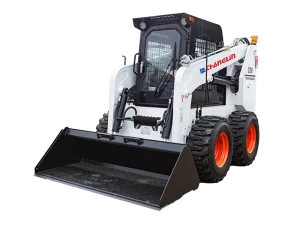
China Skid Steer Loader 275F Manufacturer, Factories
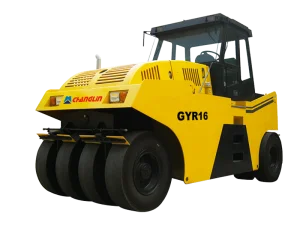
Buy Road Roller GYR162 Manufacturer, Factory

China Crawler Excavator ZG210D Factory, Factories

Buy Motor Grader PY350T Manufacturer, Manufacturers

Buy Road Roller GYS08J Manufacturer, Factories

Buy Crawler Excavator ZG250 Manufacturer, Manufacturers

Buy Bulldozer YD320 Manufacturer, Factory
The Evolution of China Diggers & Heavy Excavation Manufacturing
Understanding the technological leap, structural integrity standards, and global supply chain dynamics defining contemporary Chinese digging machinery.
Shift in Global Earthmoving Demand
The global heavy construction machinery ecosystem is undergoing a dramatic structural transition. Infrastructure buyers, mining enterprises, and municipal fleets are shifting from legacy Western OEMs toward high-tier Chinese digger manufacturers. Driven by total cost of ownership (TCO) efficiency, rapid delivery schedules, and advanced electro-hydraulic integration, Chinese excavators now command substantial market share across South America, Central Asia, Africa, and Southeast Asia.
Manufacturing Powerhouse: Jiangsu & Changzhou Clusters
At the epicenter of this industrial evolution is the Changzhou manufacturing cluster in Jiangsu Province. Hosting state-of-the-art facilities like Sinomach-HI (Changlin), this cluster brings together structural steel casting, robotic boom welding, hydraulic main valve machining, and final operational testing within a 50-kilometer radius. This extreme industrial density guarantees precise quality control, rapid prototyping, and unmatched supply chain resiliency.
By leveraging fully automated robotic welding arms and ultrasonic weld flaw detection, structural longevity for boom and arm assemblies consistently exceeds 10,000 continuous heavy-duty digging hours.
E-E-A-T Certified Engineering Excellence
Trust in heavy machinery stems from empirical engineering data and field experience. Top-tier Chinese digger manufacturers adhere strictly to ISO 9001 quality management standards, ISO 14001 environmental protocols, and European CE safety requirements. Every machine model undergoes extreme stress testing—including high-frequency vibration, hydraulic burst pressure validation, and thermal dissipation profiling—before leaving the factory floor.
Industrial Scale of Chinese Digging Machinery Manufacturing
Proven across 180+ countries with engineered metrics designed to maximize job site uptime and operational output.
Under the Hood: Engineering Principles of High-Performance Diggers
Analyzing the hydraulic pump dynamics, power distribution valves, structural metallurgical treatment, and engine-transmissions integration.
Electro-Hydraulic Load-Sensing Systems (E-LSS)
The core difference between traditional hydraulic diggers and modern Chinese excavators lies in power control synchronization. Advanced models (such as the ZG210D and ZG360 series) utilize a Positive Flow Control (PFC) electro-hydraulic mechanism. Unlike negative flow systems that waste hydraulic energy in neutral states, PFC directly calculates main pump displacement based on joystick pilot pressure signal input.
This ensures instant response, ultra-smooth compound motion during Simultaneous Boom-Lift / Arm-Crowd / Swing cycles, and minimizes hydraulic fluid oil degradation caused by excess heat generation.
Engine Power Matching & Stage V / Tier 4 Compliance
Chinese digger manufacturers partner closely with globally recognized engine innovators (Cummins, Weichai, Yanmar, Perkins) to build multi-stage electronic power matching maps. The Engine Control Unit (ECU) dynamically communicates with the Hydraulic Control Unit (HCU) over CAN-bus telemetry.
When high breakout force is demanded—such as digging through hard shale or frozen clay—the system automatically activates temporary pressure boost modes without stalling the engine or triggering black smoke emissions, fully matching US Tier 4 Final and EU Stage V regulations.
Metallurgical Processing & Structural Stress Relief
Booms and sticks undergo extreme torsional forces during deep excavation and heavy breaker hammer operations. Chinese OEM production lines feature heavy shot-blasting processes, high-strength low-alloy (HSLA) structural steel plates, and post-weld stress-relief annealing furnaces.
Bucket teeth, cutting edges, and wear plates are forged using specialized chromium-molybdenum alloy steels treated to achieve Rockwell C (HRC) hardness ratings between 48 and 54, dramatically extending wear life under high-abrasion rock conditions.
| Excavator Category | Operating Weight (Tons) | Engine Power Range (kW) | Bucket Capacity (m³) | Primary Industrial Applications |
|---|---|---|---|---|
| Compact / Mini Diggers | 1.8 - 6.0 Tons | 14 - 36 kW | 0.04 - 0.20 m³ | Urban trenching, landscaping, indoor demolition, agricultural utility |
| Medium Crawler Excavators (e.g. ZG210D/ZG250) | 13.0 - 25.0 Tons | 74 - 140 kW | 0.52 - 1.30 m³ | Highway foundation, commercial earthmoving, deep sewer pipe installation |
| Large Heavy Mining Diggers (e.g. ZG360) | 30.0 - 50.0+ Tons | 200 - 300+ kW | 1.60 - 3.20 m³ | Open-pit mining overburden removal, granite quarrying, mass dam earthworks |
Localized Application Scenarios & Extreme Environment Engineering
How Chinese digging machinery is tailored for distinct global geographic, climatic, and operational challenges.
High-Altitude Alpine Mining
Operating at elevations above 4,000 meters (e.g., the Andes or Tibetan Plateau) causes air density to drop significantly. Chinese diggers built for alpine mining incorporate turbochargers with specialized barometric pressure sensors, automatically adjusting fuel injection timing to prevent engine overheating and power derating.
Tropical High-Humidity & Salt-Spray
For coastal port construction and tropical island land reclamation in Southeast Asia, machines feature electrophoretic coating technology (E-coating) on all sheet metal parts, plus sealed electrical wiring harnesses with IP67/IP69K waterproof rating to prevent salt corrosion failures.
Sub-Zero Arctic Excavation
Deployed in northern CIS regions and Nordic winter sites, machines are fitted with engine block pre-heaters, cold-weather hydraulic oil specs, synthetic rubber seals resilient down to -40°C, and double-paned heated cab glass for operator comfort and clear peripheral visibility.
High-Abrasive Hard-Rock Breaker Duty
When equipped with heavy-duty hydraulic breaker hammers or rock rippers, diggers experience extreme pressure spikes. Reinforced arm ends, dual hydraulic filters, and inline accumulators absorb shockwaves, protecting main hydraulic valves from destructive pressure spikes.
Next-Gen Innovations: Electrification, 5G Telematics & Autonomous Digging
How Chinese OEMs are establishing the baseline for intelligent, zero-emission earthmoving equipment.
Pure Electric & Hybrid Digger Architectures
China leads the world in battery supply chain technology (LiFePO4). Applying this to heavy machinery, electric excavators eliminate diesel engine noise and local emissions entirely. Featuring 800V high-voltage platforms and dual fast-charging interfaces, electric diggers can operate continuously for 6 to 8 hours on a single 1-hour fast charge, making them ideal for tunnels, indoor sites, and green city mandates.
5G Remote Control & Autonomous Trenching
By integrating 5G ultra-low latency telecommunication modules, real-time video feeds, and 3D terrain mapping, operators can maneuver diggers safely from remote control stations thousands of miles away. Autonomous digger systems utilize RTK-GNSS positioning and LiDAR sensors to execute precision trench digging down to +/- 1.5 cm tolerance without human intervention.
AI-Driven Predictive Diagnostics & Telematics
Modern Chinese diggers act as intelligent IoT nodes on job sites. Onboard telematics continuously monitor engine temperature, hydraulic oil particulate counts, pump vibration patterns, and fuel consumption trends. AI algorithms analyze this data to predict filter clog timelines or component wear, sending proactive service alerts to fleet managers before unexpected breakdowns occur.
Why China Diggers Deliver Unmatched Procurement Efficiency
Analyzing structural efficiency, raw material access, component standardization, and global shipping responsiveness.
Vertical Integration & Raw Material Stability
China accounts for a dominant share of global refined steel, copper, and rare-earth element processing. Chinese heavy machinery manufacturers benefit directly from local, stable steel supply agreements, shielding global buyers from price surges and material shortages that frequently hamper overseas equipment manufacturers.
Standardized Global Component Matching
To ensure seamless global maintenance, Chinese diggers utilize universally standardized component interfaces. Main hydraulic pumps (Kawasaki, Rexroth), travel motors (Eaton, Nabtesco), and diesel engines (Cummins, Weichai) share standard SAE mounting flanges. This guarantees that replacement parts can be sourced locally anywhere in the world without factory lock-in.
Optimized Export Logistics & PDI Protocols
Located adjacent to major deep-water ports like Shanghai, Ningbo, and Lianyungang, Chinese OEM factories can rapidly dispatch heavy equipment via RoRo (Roll-on/Roll-off), flat-rack, or break-bulk container vessels. Every machine undergoes a 48-item Pre-Delivery Inspection (PDI) with live video documentation provided to international buyers prior to vessel loading.
Full-Line Construction Equipment Catalog
Expand your earthmoving fleet with precision motor graders, heavy excavators, vibratory rollers, and high-capacity loaders.

China Motor Grader PY320T Manufacturer, Factories

China Crawler Excavator ZG210 Manufacturers, Factories
China Road Roller GYS142 Manufacturer, Factories

China Motor Grader PY220H(2) Manufacturers, Factories

China Motor Grader PY240H Manufacturers, Factory
China Road Roller GYS12J Manufacturers, Factories

China Crawler Excavator ZG360 Manufacturer, Factories
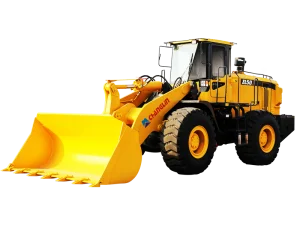
Buy Wheel Loader ZL50Z Manufacturers, Factory
Frequently Asked Questions (FAQ)
Direct answers to the most common technical, logistical, and commercial inquiries from overseas procurement teams.
Q: How do Chinese digger manufacturers compare in build quality to traditional Western or Japanese OEMs?
Leading Chinese digger manufacturers utilize identical tier-1 global components—including Kawasaki main pumps, Rexroth control valves, Cummins engines, and Eaton travel motors. Furthermore, automated robotic welding and ultrasonic structural testing ensure structural integrity matching or exceeding traditional global benchmarks, at a 20%-30% TCO advantage.
Q: What engine emissions standards are supported for exports to North America or Europe?
Export machines are configured with tier-appropriate engines. For regulated markets such as North America and the European Union, machines are equipped with US EPA Tier 4 Final / EU Stage V compliant engines featuring DEF/AdBlue DPF/SCR exhaust aftertreatment systems. For non-regulated regions, Tier 2 / Tier 3 engines are available for simplified maintenance with higher-sulfur fuels.
Q: How are spare parts delivered and supported for international project sites?
Parts are distributed via a global network of over 300 authorized dealers and regional warehouse hubs. Fast-moving consumables (filters, seals, wear teeth, hydraulic hoses) are packaged in recommended 1,000-hour service kits shipped alongside the machinery. Emergency replacement parts can be dispatched via DHL/FedEx air freight within 48 hours.
Q: Can machines be custom-configured for extreme site conditions like high heat or hard rock?
Yes. Factory OEM options include tropical cooling packages for ambient temperatures up to 52°C, arctic cold-start kits down to -40°C, high-altitude engine tuning modules, heavy-duty rock booms, extra-long reach arms, and rock-ripper or breaker valve auxiliary hydraulic pipelines.
Q: What trade terms and shipping methods are typically used for machinery delivery?
Standard commercial Incoterms include FOB (Port of China), CFR, and CIF. Compact diggers and skid steers are typically shipped in 40ft High Cube containers. Medium and heavy crawler excavators, motor graders, and bulldozers are transported securely via RoRo vessels or flat-rack containers with full anti-corrosion marine wrapping.
Q: How is operator and technician training handled for foreign fleet crews?
OEM engineers provide detailed operation manuals, digital training videos, and live teleconference guidance. For multi-unit fleet orders or major infrastructure projects, factory service technicians can be deployed to the destination site to conduct hands-on commissioning, safety instruction, and diagnostic technician training.