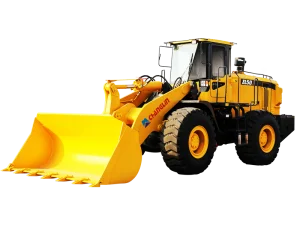
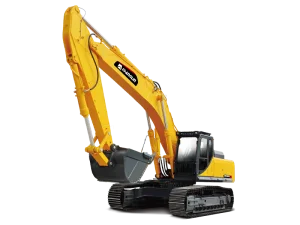
High-Performance Construction Fleet Direct from Manufacturer
Explore heavy-duty hydraulic excavators, compaction equipment, dozers, and haulage loaders built for rugged operational integrity.








The Global Dominance of Chinese Heavy Equipment Engineering
An in-depth evaluation of supply chain consolidation, hydraulic innovation, and structural engineering maturity in modern excavators and heavy industrial machinery.
Over the past two decades, China has transformed from an emerging industrial manufacturing hub into the world's primary epicenter for heavy earthmoving equipment design, component integration, and advanced heavy-machinery production. The industrial phenomenon surrounding a China Excavator Giant Manufacturer represents more than simple cost-efficiencies; it reflects a systemic, multi-layered advantage in metallurgical science, structural automation, hydraulic pressure control, and rapid fleet customization.
Leading Chinese heavy industry enterprises—exemplified by state-level engineering complexes such as Sinomach-HI (Changlin)—have fundamentally reshaped the global heavy construction landscape. By unifying robust powertrain components, advanced positive-flow hydraulic architectures, high-yield steel fabrication (Q690D/HARDOX), and IoT-driven telematics, tier-one original equipment manufacturers (OEMs) in China deliver machinery that withstands the world's most unforgiving job-site environments—from high-altitude Andean mines to extreme sub-zero Siberian quarries and arid African road construction corridors.
1. Global Commercial & Industrial Landscape of Heavy Earthmoving Machinery
The global construction equipment market requires severe operational reliability. The shift toward Chinese heavy excavators and multi-functional earthmoving machinery is driven by total cost of ownership (TCO) optimization, rapid spare parts deployment, and unmatched supply-chain responsiveness. Modern mega-scale infrastructure projects—including belt-and-road transport corridors, deep-water port expansions, and open-pit lithium or copper mining operations—require heavy machinery fleets that maximize operating hours while minimizing downtime risks.
Heavy machinery manufacturing giants in China have achieved total technological parity with traditional European, Japanese, and North American brands. Furthermore, they lead the sector in rapid customization—adapting engine cooling packages, track shoe widths, cabin filtration systems, and auxiliary hydraulic lines directly on the primary manufacturing assembly line rather than requiring costly aftermarket retrofitting.
2. Macro Trends Reshaping the Heavy Equipment Sector
Four major industrial and technological shifts are redefining heavy earthmoving equipment design and job-site logistics across the globe:
Electrification & Zero-Emission Systems
High-capacity Lithium Iron Phosphate (LFP) battery systems powering 20–50 ton wheel loaders and excavators, drastically lowering operating costs in enclosed sites, tunnels, and urban zones.
Electro-Hydraulic Positive Flow Control
Replacing traditional mechanical-hydraulic sensing with digital valve control systems, reducing hydraulic power loss by up to 18% and ensuring pinpoint joystick sensitivity.
5G Remote Control & Autonomous Telematics
Real-time machine health monitoring, geofencing, remote fault diagnosis, and unmanned bucket excavation in high-risk open-pit mining environments.
E-E-A-T Technical Benchmark: Structural Metallurgy & Stress Analysis
Leading Chinese excavator manufacturers utilize Finite Element Analysis (FEA) combined with dynamic fatigue strain testing to eliminate stress concentrations in boom and arm structures. Critical load-bearing sections utilize robotic multi-pass welding with ultrasonic flaw detection, ensuring structural integrity under continuous 35MPa+ hydraulic relief pressures.
3. Localized Application Scenarios & Heavy Engineering Field Adaptations
Job-site success relies on tailoring machine specs to local geographical and climatic challenges. Equipment built for mild climates will quickly fail if deployed without modification in extreme working conditions:
High-Altitude Low-Oxygen Mining
Turbocharged diesel engines configured with automatic ECU fuel injection compensation to maintain engine horsepower at altitudes exceeding 4,000 meters above sea level.
Tropical High-Humidity & Salt-Spray Coastal Works
Heavy-duty corrosion-resistant anti-paint coats, IP67-rated sealed electrical connectors, and oversized aluminum radiator cores designed for ambient temperatures up to 52°C.
Sub-Zero Arctic Soil Excavation
Engine block glow heaters, synthetic low-viscosity hydraulic oils, fuel-water separators with electric heating elements, and cabin thermal insulation packages.
4. Strategic Technology Roadmap (2026 – 2035)
To sustain global competitive dominance, major Chinese construction equipment manufacturers are implementing a three-phase technological evolution strategy focused on green energy and artificial intelligence:
Phase I: Complete Hybridization & Smart Telematics Integration
Standardizing electro-hydraulic main control valves, hybrid power recovery systems (energy recovery on boom lowering), and 100% cloud-connected fleet management across all heavy crawler excavators and loaders.
Phase II: Commercialization of Autonomous Mining & Green Hydrogen Powertrains
Deploying Level 4 autonomous excavators and haulage units in closed-pit mining operations. Launching zero-emission hydrogen fuel-cell heavy excavators above 50 tons for ultra-heavy duty cycles.
Phase III: Fully Autonomous AI Job-Site Ecosystems
Establishing fully integrated, self-optimizing construction sites where excavators, bulldozers, road rollers, and dump trucks communicate via V2X networks to execute grading, digging, and compaction without manual human intervention.
5. Macro Industrial Solutions & Fleet Ecosystem Management
Procurement directors and fleet operators rarely purchase standalone machines; they require integrated machine ecosystems. Tier-one Chinese manufacturers provide standardized component architectures across excavators, bulldozers, motor graders, and wheel loaders. This commonality allows fleet operators to streamline routine filter replacements, engine maintenance, operator training, and diagnostic protocols, reducing inventory overhead costs by up to 30%.
Frequently Asked Questions (FAQ) for Procurement & Engineering Teams
In-depth responses regarding technical configurations, export logistics, structural standards, and after-sales support.
Why do tier-one Chinese excavators utilize Kawasaki or Rexroth hydraulic pumps alongside Cummins or Weichai engines?
How do Chinese heavy excavators maintain structural integrity during rock-ripping and heavy mining work?
What are the economic and operational advantages of Electric Wheel Loaders (e.g., ZL50EV) over conventional diesel models?
What shipping methods are utilized for international export of heavy construction machinery?
How is warranty coverage and spare parts procurement managed outside of China?
Can machine hydraulic systems be customized for specialized attachments like breakers, shears, and tiltrotators?
Heavy Duty Wheel Loaders, Rollers, Dozers & Heavy Excavators
Complete your fleet deployment with field-tested heavy machinery engineered for maximum durability and low hourly operating costs.