
Featured Heavy Hydraulic Machinery: OEM Core Models
Direct factory production models engineered for heavy earthmoving, precision road grading, compaction, and high-efficiency material handling.






The Macro Paradigm Shift in Chinese Hydraulic Equipment Manufacturing
The global construction equipment sector is undergoing a profound structural transition. Over the past two decades, China's hydraulic construction equipment manufacturers have evolved from licensed domestic assemblers into global technology pacesetters in hydraulic fluid power, structural integrity, and electro-hydraulic system integration. Contemporary Chinese manufacturing centers—such as the heavy-industry clusters in Changzhou, Jiangsu—now produce high-tonnage hydraulic excavators, motor graders, wheel loaders, and compaction units that operate under extreme duty cycles in over 180 countries and regions worldwide.
This technical whitepaper analyzes the core engineering capabilities, manufacturing infrastructure, fluid-power architecture, and total life-cycle economics of sourcing hydraulic construction machinery directly from tier-one Chinese original equipment manufacturers (OEMs). By combining load-sensing variable displacement hydraulic circuits with electro-proportional main control valves and heavy-duty structural steel fabrications, Chinese manufacturers deliver an exceptional ratio of productivity per kilowatt-hour, providing global contractors, mining operators, and leasing conglomerates with decisive technical and financial advantages.
Core Manufacturing & Supply Chain Advantages of Chinese OEM Factories
Sourcing directly from an established Chinese hydraulic construction machinery factory yields systemic advantages that stem from scale, vertical integration, and aggressive technological investment.
End-to-End Vertical Integration
Chinese heavy equipment factories leverage localized industrial ecosystems encompassing steel smelting, structural robotic welding, hydraulic cylinder forging, valve machining, and gear assembly. This geographic proximity eliminates multi-tier supply chain friction and ensures strict batch-to-batch quality control.
Advanced Hydraulic Architecture
Integration of global-standard hydraulic components (including Kawasaki, Rexroth, and Parker hydraulic pumps paired with proprietary electronic main control valves) ensures micro-meter spool precision, reduced thermal losses, and immediate hydraulic flow response under heavy load spikes.
Structural Finite Element Analysis (FEA)
Booms, arms, frames, and undercarriages are subjected to computerized stress modeling to identify structural stress points prior to physical manufacturing. Robotic submerged arc welding and stress-relief heat treatment prevent joint fatigue across 15,000+ operating hours.
Optimized Value Engineering
By optimizing machine assembly protocols and utilizing high-efficiency production lines, Chinese OEMs deliver heavy machinery with a 30-40% initial procurement cost saving compared to North American or European counterparts, without sacrificing component reliability.
Engineering Future Progress: Trends in Hydraulic System Engineering
Modern heavy machinery relies on the seamless convergence of thermal management, mechanical leverage, and electronic fluid control. Chinese manufacturers are pioneering several industry-wide technological breakthroughs:
Electro-Hydraulic Proportional Control (EHPC)
Replacing purely mechanical pilot control lines, EHPC allows microprocessors to instantly adjust hydraulic flow rates based on operator joystick input speeds and real-time boom resistance. This yields up to 12% fuel savings during trenching and load cycles.
Electrification of Heavy Loaders (BEV Hydraulics)
Models like the ZL50EV electric wheel loader replace conventional diesel internal combustion engines with high-voltage Lithium Iron Phosphate (LFP) battery banks. Electric motors directly drive variable-displacement hydraulic pumps, eliminating idling losses and drastically cutting site noise.
Smart Telematics & Hydraulic Health Monitoring
Embedded IoT sensors monitor hydraulic oil viscosity, operating temperature, filter pressure differentials, and pump cavitation risk in real time. Data is transmitted via satellite/cellular networks to fleet managers to enable predictive maintenance.
Localized Application Scenarios & Comprehensive Worksite Solutions
Construction equipment operates under vastly different geographic, climatic, and material conditions. Leading Chinese hydraulic equipment manufacturers build specific machine configurations targeted at dedicated work environments.
- Open-Pit Mining & Hard Rock Extraction: Heavy crawler excavators (e.g., 33-ton ZG330D and 48-ton ZG480) equipped with high-pressure piston pumps, reinforced rock buckets, heavy-duty track guides, and secondary hydraulic filtration to prevent dust contamination in high-rpm ripping operations.
- Highway Building & Infrastructure Fine-Grading: Precision motor graders (e.g., PY190H) utilizing moldboard circle turn gearboxes with hydraulic cushion valves. Combined with heavy tandem-axle vibratory rollers (e.g., GYS142, GYS20J), these fleets ensure maximum soil density and precise sub-grade leveling.
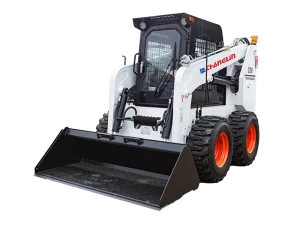
- Urban Utilities & Tight Enclosures: Compact skid steer loaders (e.g., 275F, TS100) featuring high-flow auxiliary hydraulic power systems, quick-attach hydraulic couplers, and zero-turn radius agility for trenching, road planing, and municipal repair.
- Sanitary Landfill & Solid Waste Processing: Purpose-built landfill compactors (e.g., GYL203) featuring heavy steel cleat wheels, hydraulic blade tilt, protective underbody plating, and high-capacity cooling packages designed to operate continuously in high-ambient, high-debris waste cells.
Global Sourcing Framework: Technical Evaluation & TCO Optimization
When international procurement directors evaluate Chinese hydraulic construction equipment manufacturers, technical auditing must extend beyond baseline horsepower and bucket capacity. The following evaluation matrix provides enterprise buyers with an objective decision-making framework:
1. Hydraulic Component Origin & Cleanliness
Verify that main hydraulic pumps, swing motors, and multi-way control valves are sourced from top-tier component suppliers. Ensure the factory enforces ISO 4406 fluid cleanliness standards (target code 16/14/11 or cleaner) prior to factory roll-out test procedures.
2. Thermal Dissipation Reserve
Ensure the machine's oil cooler and radiator design accommodate extreme ambient temperatures (+45°C to +50°C in tropical or desert regions). Oversized hydraulic oil coolers prevent oil degradation, seal hardening, and thermal expansion lockups.
3. Regional Engine Emissions Compliance
Select engine configurations matched to local fuel standards and regulatory frameworks—ranging from Tier 2 / Tier 3 mechanical engines for remote export markets with variable fuel quality, up to Tier 4 Final / Stage V common-rail engines for North America and Europe.
4. Spare Parts Logistics & Service Network
Evaluate OEM global parts warehousing, dealer support density, and remote technical guidance systems. OEM stocking programs ensure high-wear hydraulic seals, filters, hoses, and bucket teeth are delivered within 48 to 72 hours.
Featured Heavy Hydraulic Machinery: Specialized Application Series
High-performance road compaction, earth-moving dozers, and electric wheel loading equipment built for rugged operational demands.






Frequently Asked Questions for Hydraulic Machinery Sourcing
In-depth answers addressing technical specifications, hydraulic system maintenance, logistics, and factory customization options.