Standard Construction Machinery Catalog (Part I)
Explore original machinery specifications, heavy excavators, wheel loaders, and bulldozers from China's premier manufacturing base.







1. Executive Summary & Technical Definition of Small Motor Graders
Redefining precision earthmoving efficiency through compact powerplants, load-sensing hydraulic architecture, and high-maneuverability articulated chassis engineering.
Classification & Operating Parameters
In the domain of modern heavy construction equipment, a Small Motor Grader is technically defined as a self-propelled wheeled earthmoving machine featuring an engine rating between 80 HP and 140 HP (60 kW – 104 kW), an operating weight ranging from 7.0 to 12.0 metric tons, and a moldboard (blade) width measuring between 3.0 meters and 3.66 meters (10 ft – 12 ft).
Unlike massive mining-class graders designed purely for haul road maintenance, compact motor graders engineered in Chinese manufacturing hubs emphasize versatile spatial adaptability, exceptionally low fuel consumption per operating hour, and fine-grade surface preparation accuracy within tight urban or rural infrastructure constraints.
- Engine Power Range: 80 HP to 140 HP (Tier 2 to Stage V / EPA Tier 4F)
- Operating Mass: 7,500 kg – 11,800 kg with front blade/ripper attachments
- Articulation Angle: ±20° to ±26° frame articulation for minimal turning radius
- Hydraulic Delivery: Variable displacement axial piston pumps with load-sensing valves
Strategic Role in Modern Contracting
Global civil engineering firms and municipal public works departments increasingly prioritize small motor graders to eliminate the cost inefficiencies of deploying over-sized machinery on localized work sites. The integration of electro-hydraulic proportional main control valves allows modern compact graders to deliver surface grading tolerances down to ±3 mm, essential for road sub-base preparation, sports fields, and agricultural drainage channels.
Furthermore, Chinese manufacturing clusters have redefined the Total Cost of Ownership (TCO) matrix for small motor graders. By pairing mature high-torque diesel powerplants with standardized power-shift transmissions and heavy-duty tandem drive axles, Chinese factories deliver machines that cut initial capital expenditure (CAPEX) by 35% to 50% compared to Western OEMs while matching strict operational durability targets.
2. Strategic Advantages of Sourcing Small Motor Graders from China
Unpacking the industrial ecosystem, metallurgical excellence, structural optimization, and supply chain economies of scale in Chinese heavy machinery hubs.
1. Complete Supply Chain Integration
China's heavy equipment manufacturing clusters (specifically in Jiangsu, Shandong, and Henan provinces) host the world's most concentrated supply chain network. From specialized gear forging and high-pressure hydraulic hose manufacturing to premium diesel engine production (e.g., Cummins China, Weichai, Yuchai), every component is sourced within a 100 km radius.
This geographic density minimizes supply disruption, slashes freight overheads, and accelerates OEM custom assembly cycles from months to mere weeks.
2. Advanced Metallurgy & Structural Integrity
Leading Chinese motor grader factories utilize automated CNC laser cutting, multi-axis robotic arc welding, and high-tensile structural steel plates (such as Q345B and Hardox-equivalent wear-resistant steel). Main frames feature box-section box-girder designs that withstand severe torsional stress during heavy blading.
Moldboards are built with heat-treated alloy steel cutting edges and end bits, guaranteeing extended wear life even when working in highly abrasive rocky soils or frozen strata.
3. Rigid Quality Control & CE/ISO Compliance
Modern Chinese motor grader factories operate under international quality assurance protocols, including ISO 9001, ISO 14001, and OHSAS 18001 certifications. Export-bound machinery is engineered to meet European CE standards, Noise Directive standards, and ultra-clean emissions specifications (EU Stage V and US EPA Tier 4 Final).
Factory Acceptance Testing (FAT) includes 100% hydraulic pressure testing, full-load powertrain endurance cycles, and automated laser alignment checkouts before shipping.
3. Technological Evolution & Industry Development Trends
How smart telemetry, 3D grade control integration, electro-hydraulic controls, and zero-emission electrification are reshaping compact earthmoving.
Smart 3D Grade Control & Telematics Integration
The global construction sector is rapidly moving away from traditional manual stakeout grading toward automated 3D GNSS (Global Navigation Satellite System) and laser guidance. Chinese motor grader manufacturers are at the forefront of this digital transformation, designing factory-ready wiring harnesses and sensor mounts compatible with Trimble, Leica Geosystems, and Topcon grade control architectures.
By coupling electro-hydraulic proportional valves directly with GNSS receivers, small motor graders automatically adjust moldboard elevation and slope angle in real-time. This cuts operational pass requirements by up to 40%, reduces diesel consumption, and eliminates human surveying error in sub-grade creation.
Electrification & Hybrid Powertrains
Driven by global carbon reduction mandates and urban noise pollution restrictions, Chinese factories are leading the development of **Battery Electric Vehicles (BEV)** and hybrid drive small motor graders. Electrified compact graders replace traditional hydraulic torque converters with permanent magnet synchronous motors (PMSM) paired with lithium iron phosphate (LFP) battery banks.
Key operational benefits of electric small motor graders include:
- Zero Tailpipe Emissions: Ideal for enclosed underground tunnels, indoor arenas, and municipal green zones.
- Instantaneous Torque Output: Maximum rim pull torque available from 0 RPM, dramatically improving blade cutting power in clay soils.
- Dramatically Lower Energy Costs: Up to 60–70% reduction in hourly fuel/energy expenditure compared to diesel equivalents.
4. Localized Application Scenarios for Small Motor Graders
From precision agricultural leveling to municipal snow clearing and compact mining haul roads—where small motor graders excel over larger alternatives.
Agricultural Land Leveling & Irrigation
Efficient water distribution in farm fields requires precise land sloping. Small motor graders equipped with wide tires and laser receiver masts can rapidly level paddy fields, terrace slopes, and clear irrigation channels without compacting subsoil layers excessively, preserving soil health while maximizing crop yields.
Rural Road Network Maintenance
County and township gravel roads require routine crown rebuilding, pothole leveling, and roadside ditching. The compact footprint and fast travel speeds (up to 38 km/h) of 100 HP–120 HP small motor graders allow road agencies to service hundreds of kilometers of unpaved roads cost-effectively.
Urban Utility Trench Backfilling
City streets undergoing pipe replacement or optical fiber laying require rapid backfilling and asphalt base grading within confined lane closures. Small motor graders featuring articulate steering and front-mounted dozer blades easily maneuver around manholes and utility poles.
Municipal Winter Snow Clearance
Outfitted with front V-plows, wing blades, and snow tires, small motor graders serve as primary winter clearing vehicles for urban municipalities, clearing city streets, airport taxiways, and commercial parking spaces with superior traction and visibility.
Underground Mining & Tunnel Haulage
Low-profile small motor graders are specifically modified with heavy-duty FOPS/ROPS cabs and catalytic exhaust purifiers to operate in narrow underground mine drifts, maintaining smooth haul road surfaces to prevent tire blowouts on 30-ton haul trucks.
Sports Fields & Commercial Real Estate
Preparing sub-bases for artificial turf soccer fields, tennis courts, and massive warehouse concrete pads demands extreme surface precision. Small graders paired with laser receivers deliver ultra-flat grading before concrete pouring or turf installation.
5. Macro Industry Solutions & Integrated Machinery Operations
How prime contractors combine small motor graders with crawler excavators, wheel loaders, and road rollers for maximum earthmoving synergy.
In modern civil engineering procurement, a small motor grader does not operate in isolation. It forms a crucial node within an integrated earthmoving fleet ecosystem. Maximizing volume throughput while maintaining target compaction densities requires balanced machine sizing.
Earthmoving Equipment Synergy Matrix
When executing road widening or land development projects, equipment fleets operate in synchronized phases:
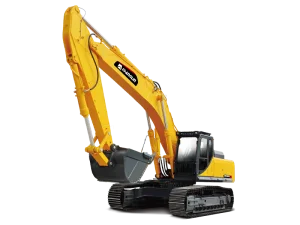
- Phase 1: Primary Excavation & Mass Loading: Medium and large crawler excavators (such as 21-ton to 33-ton units like the ZG220 or ZG330D) perform heavy cut operations and load haul trucks.
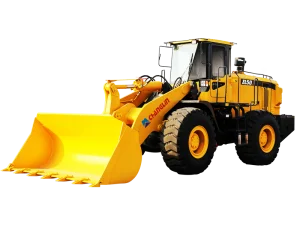
- Phase 2: Material Spreading & Stockpile Management: Heavy-duty wheel loaders (e.g., 5-ton capacity ZL50Z/ZL50EV) and bulldozers (YD160) rapidly aggregate and spread bulk aggregate layers across the road bed.
- Phase 3: Precision Blading & Crown Shaping: Small motor graders (e.g., PY180H/PY190H) take over to perform fine grading, ditch shaping, and layer thickness distribution down to strict engineering tolerances.
- Phase 4: Final Layer Compaction: Single-drum vibratory road rollers (e.g., 14-ton GYS142) compact the graded material to specified Proctor density levels.
Lifecycle TCO Optimization Strategy
For international leasing agencies and general contractors, deploying small motor graders alongside standardized excavators and loaders from the same Chinese manufacturing partner yields significant operational economies of scale:
- Common Engine & Hydraulic Components: Filter elements, hydraulic oil specs, injector nozzles, and electrical relays are frequently cross-compatible across machine lines.
- Unified Maintenance Schedules: Technicians utilize identical diagnostic software interfaces and telemetry platforms for whole-fleet fleet monitoring.
- Consolidated Logistics Freight: Shipping mixed fleets (e.g., one small grader, one wheel loader, and one mini-excavator) in flat-rack or RoRo vessels slashes ocean transport cost per unit by up to 22%.
6. Global OEM/ODM Procurement Strategy & Supplier Auditing
A structured buyer framework for international equipment distributors, fleet directors, and government procurement officers sourcing from China.
Step 1: Technical Spec Verification
Evaluate site terrain, soil shear strength, ambient temperature range (-30°C to +50°C), and emission mandates. Specify whether mechanical drive or hydro-static drive best fits operator skill levels in your target market.
Step 2: Factory Audit & Verification
Verify factory authenticity, robotic welding percentage, hydraulic clean-room assembly standards, and ISO certification records. Conduct third-party pre-shipment inspections (e.g., via SGS, BV, or Intertek) prior to final payment.
Step 3: Container & Logistics Planning
Small motor graders can often be partially disassembled (cab removal, blade tilt, front axle frame unbolting) to fit inside standard **40ft High Cube (40HC) shipping containers**, saving thousands of dollars compared to RoRo or flat-rack shipping.
Step 4: Spare Parts Consignment
Always mandate a **"Fast-Moving Spare Parts Kit"** (filters, hydraulic seals, moldboard wear strips, cutting edge bolts, fan belts) shipped inside the container to ensure 100% uptime during the initial 2,000 operating hours.
7. Frequently Asked Questions (FAQ) on Sourcing Small Motor Graders
Comprehensive engineering and procurement answers for fleet managers, importers, and contract engineers.
What is the key difference between a small motor grader and a compact wheel loader with a box blade attachment?
What horsepower range and operating weight qualify as a "Small Motor Grader"?
Can small motor graders from Chinese factories be fitted with 3D GPS or Laser Grade Control systems?
How do Chinese motor grader manufacturers handle engine emissions compliance for Europe and North America?
Can a small motor grader be shipped inside a standard 40ft High Cube (40HC) sea container?
What warranty terms and spare parts support are typically provided?
Standard Construction Machinery Catalog (Part II)
Complete heavy compaction rollers, heavy excavators, wheel loaders, bulldozers, and high-performance motor graders.